

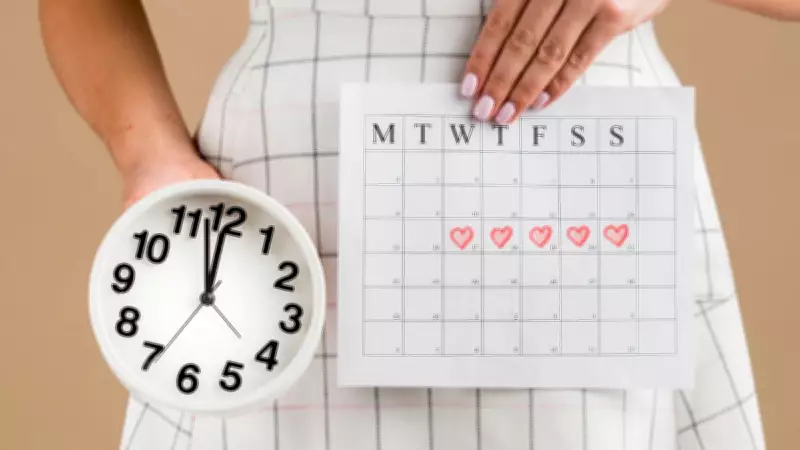
Understanding Ovulation and the Fertile Window for Conception
For couples planning to start a family, grasping the intricacies of ovulation and the fertile window is a fundamental step toward achieving pregnancy. Ovulation refers to the process where a mature egg is released from the ovary, making it available for fertilization. This event typically occurs once per menstrual cycle and is a critical phase in the reproductive timeline.
What Is the Fertile Window?
The fertile window encompasses the days in a woman's menstrual cycle when conception is most likely to occur. This period generally spans about six days, ending on the day of ovulation. Sperm can survive in the female reproductive tract for up to five days, while the egg remains viable for approximately 12 to 24 hours after release. Therefore, timing intercourse during this window significantly enhances the probability of successful conception.
Signs and Symptoms of Ovulation
Recognizing the signs of ovulation can help in identifying the fertile window more accurately. Common indicators include:

- Changes in Cervical Mucus: The mucus becomes clear, stretchy, and resembles egg whites, facilitating sperm movement.
- Basal Body Temperature (BBT) Shift: A slight increase in BBT occurs after ovulation, which can be tracked with a thermometer.
- Mild Pelvic Pain: Some women experience a brief, dull ache on one side of the lower abdomen, known as mittelschmerz.
- Increased Libido: Hormonal changes may lead to a heightened sex drive around ovulation.
Methods to Track Ovulation
Several techniques can assist in pinpointing ovulation and the fertile window:
- Ovulation Predictor Kits (OPKs): These kits detect the surge in luteinizing hormone (LH) that precedes ovulation, providing a reliable signal.
- BBT Charting: Daily temperature measurements can reveal patterns, though this method confirms ovulation after it has occurred.
- Cervical Mucus Monitoring: Observing changes in mucus consistency offers a natural way to gauge fertility.
- Fertility Apps: Digital tools can help track cycles and predict fertile days based on input data.
Tips for Maximizing Conception Chances
To optimize efforts during the fertile window, consider the following advice:
- Regular Intercourse: Engage in sexual activity every two to three days throughout the cycle to ensure sperm availability.
- Healthy Lifestyle: Maintain a balanced diet, exercise moderately, and avoid smoking or excessive alcohol to support reproductive health.
- Stress Management: High stress levels can disrupt hormonal balance, so practices like yoga or meditation may be beneficial.
- Medical Consultation: If conception does not occur after several months, seek guidance from a healthcare provider to address any underlying issues.
By understanding and tracking ovulation and the fertile window, couples can take proactive steps toward achieving their goal of pregnancy. This knowledge empowers individuals to make informed decisions and enhances their journey toward parenthood.






