Protein Powders and High-Protein Diets: Kidney Experts Explain the Hidden Risks
Protein has emerged as the superstar nutrient in the fitness realm, dominating gym discussions and social media trends. High-protein diets are frequently touted as the ultimate solution for muscle growth, fat loss, and maintaining a lean physique. Protein powders, shakes, and bars have become ubiquitous, lining supermarket aisles and filling gym bags worldwide.
However, nutrition experts emphasize the need for a more balanced perspective. While protein is undeniably essential for overall health, the pervasive belief that "more is always better" may not apply universally, particularly when it comes to kidney function.
How Kidneys Function and the Impact of Protein
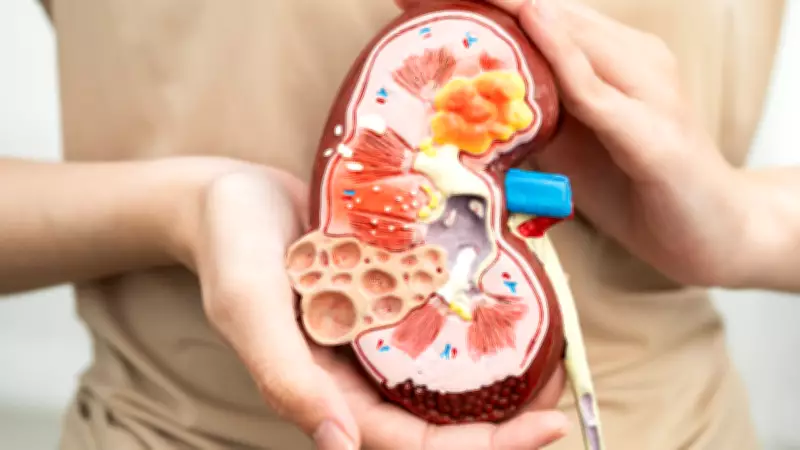
Kidneys serve as the body's natural filtration system, diligently removing waste from the bloodstream, regulating fluid levels, and maintaining mineral balance. When protein consumption spikes dramatically, the kidneys are forced to work overtime to process the by-products of protein metabolism.

Medical professionals clarify that this does not imply people should shun protein altogether. The primary concern lies in excessive intake, especially when derived from supplements rather than whole, natural foods.
The Rise of High-Protein Diets
The surge in popularity of protein-heavy diets is intrinsically linked to the growth of fitness culture and weight-loss movements. High-protein meals are renowned for enhancing satiety, preserving muscle mass, and aiding recovery post-workout.
Research consistently demonstrates that adequate protein supports lean body mass retention during calorie restriction, prompting many athletes and fitness enthusiasts to significantly boost their protein consumption.
Yet, nutrition science has long advocated for nutrient balance. When one nutrient is consumed in extreme amounts, other aspects of health can suffer.
Dr B S Solanki, Director & Head – Nephrology at Yatharth Super Speciality Hospital in New Delhi, explains, "High-protein diets have gained immense popularity among fitness enthusiasts for muscle building and weight loss. For healthy individuals with normal kidney function, moderate protein intake is generally safe. However, excessive or prolonged high-protein consumption may increase the workload of the kidneys."
The Hidden Strain on Kidneys
Every gram of protein ingested eventually generates nitrogenous waste, such as urea. The kidneys filter this waste from the blood and excrete it via urine.
When protein intake reaches very high levels, the filtration demand escalates. Over time, this persistent workload can strain kidney function in susceptible individuals.
According to the National Institute of Diabetes and Digestive and Kidney Diseases (NIDDK), kidneys regulate waste products formed after protein digestion. If kidney function is impaired, these wastes can accumulate in the body.
Studies indicate that extremely high protein intake can trigger glomerular hyperfiltration, a process where kidneys filter blood at an accelerated rate. While this might not immediately harm healthy individuals, researchers caution that long-term effects are still under investigation.
For those with pre-existing kidney issues, the consequences could be more severe.
Who Should Exercise Extra Caution?
Experts highlight that the greatest risk is not for healthy individuals but for those with certain medical conditions.
Dr Solanki notes, "People with existing kidney disease, such as diabetes, hypertension, or a family history of kidney problems, should be especially cautious. In such individuals, high-protein intake can accelerate the decline in kidney function."
Chronic kidney disease (CKD) often develops silently. According to Science Direct, nearly 90% of people with early-stage kidney disease are unaware of their condition.
This means someone might follow an aggressive high-protein diet without realizing their kidneys are already under stress.
Fitness Enthusiasts at Higher Risk
Individuals with the following conditions should consult a doctor before substantially increasing protein intake:

- Diabetes
- High blood pressure
- Family history of kidney disease
- Previous abnormal creatinine reports
- History of kidney stones
Whole Foods Versus Protein Supplements
A major misconception about protein is that powders and shakes are indispensable for optimal nutrition. Experts assert that most people can easily meet their protein requirements through regular meals.
Dr Topoti Mukherjee, Lead Consultant in Nephrology and Kidney Transplant at Aster Whitefield Hospital, emphasizes, "A balanced, protein-rich diet through regular meals does not pose a threat to kidney health for most people. Individuals can safely consume protein as part of their daily diet when it comes from natural food sources rather than relying heavily on supplements."
Whole foods provide protein alongside fiber, vitamins, and minerals that bolster overall health. Examples include:
- Egg whites
- Lean chicken or fish
- Lentils and legumes
- Milk, yogurt, and paneer
- Nuts and seeds
Dr Mukherjee adds, "Excessive reliance on protein supplements is usually not encouraged, as they may sometimes contain additives. In clinical practice, doctors occasionally observe individuals with elevated creatinine levels or uric acid abnormalities who report frequent or excessive use of such supplements."
In essence, protein from food comes packaged with complementary nutrients, whereas supplements often deliver concentrated doses without this balance.
Guidance from Research and Health Agencies
Major health organizations continue to advocate for balanced protein intake over extreme dietary approaches.
Meanwhile, the National Kidney Foundation advises individuals with kidney disease to meticulously monitor protein consumption, as excessive amounts can impose additional strain on kidney function.
Nutrition experts succinctly summarize the message: protein is vital, but increased protein does not invariably equate to improved health.
Balancing Fitness Culture with Health
Fitness culture frequently glorifies discipline, intensity, and pushing boundaries. However, long-term health hinges on balance rather than extremes.
High-protein diets can indeed support training objectives, but they should not supplant a balanced diet inclusive of carbohydrates, healthy fats, fiber, and micronutrients.
Dr Solanki reinforces, "As an expert, I advise maintaining a balanced diet rather than extreme protein loading. Adequate hydration, regular kidney function testing, and consultation with a healthcare professional are important, particularly for those using protein supplements. Remember, fitness is important, but protecting kidney health is equally essential."
A Practical Approach to Protein and Kidney Health
Experts recommend a straightforward strategy:
- Prioritize protein from natural foods
- Avoid excessive dependence on supplements
- Ensure sufficient water intake
- Maintain balanced meals
- Monitor kidney health if adhering to high-protein diets long-term
For most healthy individuals, moderate protein intake is safe. Yet, when protein consumption becomes extreme, the body's natural filters may bear the brunt.
Fitness aspirations should never compromise long-term health.
Medical experts consulted: Dr B S Solanki and Dr Topoti Mukherjee, whose insights elucidate how excessive reliance on protein powders and very high-protein diets may impose added strain on the kidneys, underscoring the potential risks and the importance of a balanced diet and medical guidance for muscle building without jeopardizing kidney health.