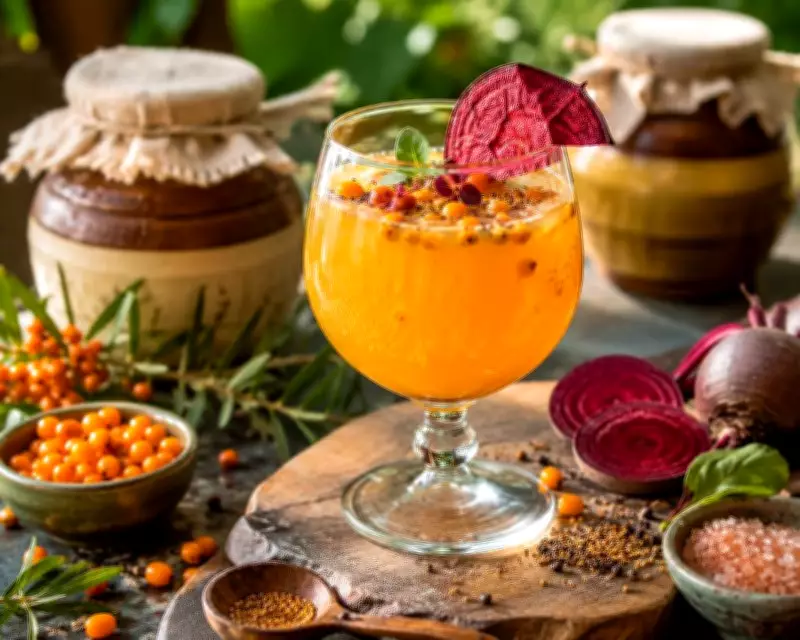
Prime Minister Narendra Modi, during a recent episode of ‘Mann Ki Baat’, encouraged Indians to rediscover traditional summer beverages, calling them symbols of India’s rich culinary heritage and regional diversity. As consumers increasingly seek gut-friendly and functional drinks, many of these wellness traditions have existed in Indian kitchens for generations.
Kanji: A Probiotic Powerhouse
Among India’s finest probiotic beverages is kanji, traditionally prepared by fermenting black carrots with crushed mustard seeds, rock salt, and water. The natural fermentation encourages beneficial bacteria, producing a tangy drink known for supporting digestion. Today, kanji is being reinvented with ingredients such as beetroot, jamun, mulberries, kokum, purple cabbage, and seasonal berries. Mustard seeds provide warmth and pungency, while colourful fruits and vegetables contribute antioxidants and vitamins.
South Indian Cooling Beverages
South India offers neer mor and sambaram, refreshing drinks made with cultured buttermilk seasoned with curry leaves, ginger, cumin, green chillies, and asafoetida. These ingredients are traditionally valued for cooling the body and aiding digestion. Made with jaggery, dry ginger, cardamom, black pepper, and lemon, panakam replenishes energy and electrolytes during hot weather.

Western India’s Kokum-Based Drinks
Western India contributes kokum sherbet and sol kadhi. Kokum, a deep-purple fruit native to the Western Ghats, is prized for its cooling and digestive properties. Sol kadhi combines kokum with coconut milk, garlic, coriander, and green chillies, creating a soothing accompaniment to spicy meals.
Eastern India’s Bel Sherbet and Sattu
Eastern India brings bel sherbet, prepared from wood apple pulp blended with jaggery and spices. Rich in fibre and pectin, it has traditionally been consumed to support digestive health. Sattu sherbet, made from roasted Bengal gram flour, black salt, cumin, lemon, and water, delivers protein and sustained energy. Neera, collected from palm sap, provides natural sweetness and minerals.
Kombucha with Local Flavours
Another beverage gaining popularity is kombucha, a lightly sparkling fermented tea prepared by fermenting sweetened tea with a SCOBY. During fermentation, the microorganisms consume sugar and produce organic acids and complex flavours, resulting in a refreshing drink with a characteristic tang. While kombucha is believed to have originated in China, Indian innovators are creating distinctly local versions using jamun, kokum, hibiscus, butterfly pea flower, tulsi, mango, and seasonal berries.
Fermentation of Traditional Ingredients
Traditional ingredients are also finding new life through fermentation. Jamun, mahua flowers, wild berries, and finger millet are being transformed into probiotic beverages and naturally brewed vinegars. Finger millet contributes calcium, iron, and dietary fibre. Himalayan seabuckthorn, an orange berry exceptionally rich in Vitamin C, omega fatty acids, and antioxidants, has long been preserved as syrups and concentrates. Today, it is increasingly being used in fermented tonics and kombuchas. Fermentation enhances flavour complexity while helping preserve its nutritional value and extending shelf life.
Beverages created from black carrots, mustard seeds, kokum, wood apple, jamun, millets, mahua flowers and seabuckthorn tell stories of geography, seasonality and community wisdom. They remind us that some of the world’s most relevant wellness solutions are not imported trends, but treasures that have always existed in India’s backyard.
Recipe: Seabuckthorn Kanji
Ingredients:
- Seabuckthorn pulp or juice: 100 ml
- Beetroot (medium, peeled, grated): 1
- Carrot (grated): 1
- Filtered water: 1 litre
- Yellow mustard seeds (coarsely crushed): 2 tsp
- Red chilli powder (optional): ½ tsp
- Black salt: 1 tsp
- Rock salt: ½ tsp
- Jaggery or raw honey: 1 tbsp
- Fresh mint leaves: For garnish
Method:

In a sterilised glass jar, combine grated beetroot and carrot. Add crushed mustard seeds, black salt, rock salt, chilli powder, and jaggery. Pour in the water and mix well. Add the seabuckthorn juice or pulp and stir. Cover the jar with a muslin cloth and keep it in a warm place for 3-5 days. Stir once daily with a clean spoon. Once pleasantly tangy and lightly fermented, strain and refrigerate. Serve chilled with mint leaves and a few drops of fresh seabuckthorn juice.
— The writer is a celebrity chef