

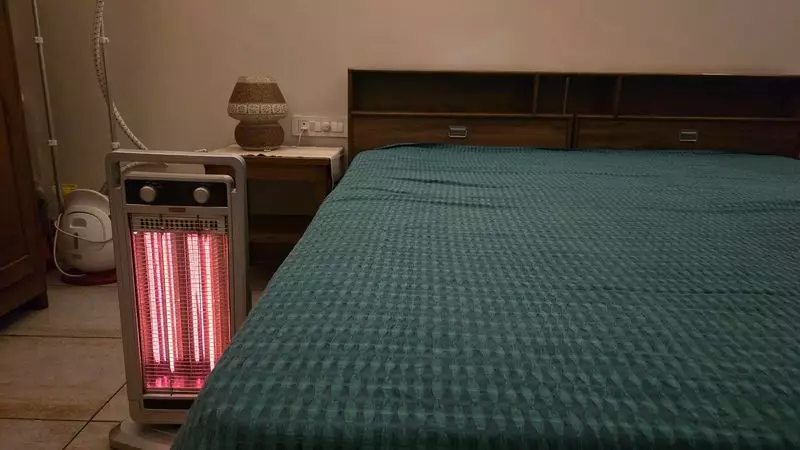
Room Heaters Can Be Dangerous for Your Health
As winter sets in across many parts of India, people often turn to room heaters for warmth. However, health experts are raising alarms about the potential dangers these devices pose. Using room heaters can lead to serious health issues that many users overlook.
Respiratory Problems and Dry Air
Room heaters work by warming the air, but this process also removes moisture from the environment. The dry air can irritate your respiratory system. It may cause coughing, throat discomfort, and worsen conditions like asthma. People with allergies might experience more frequent symptoms in heated rooms.
Prolonged exposure to dry air from heaters can dry out your skin and eyes. This leads to itching, redness, and discomfort. In severe cases, it might even trigger skin conditions like eczema.

Fire Hazards and Safety Concerns
Room heaters present significant fire risks if not used properly. Faulty wiring or placing heaters near flammable materials can cause accidents. Every year, numerous fire incidents are reported due to heater misuse during cold months.
Electric heaters can overload circuits, especially in older homes with outdated electrical systems. This increases the chance of short circuits and electrical fires.
Carbon Monoxide Poisoning from Fuel-Based Heaters
Some room heaters run on fuels like kerosene or gas. These devices produce carbon monoxide, a colorless and odorless gas. In poorly ventilated spaces, carbon monoxide can build up to dangerous levels.
Breathing in carbon monoxide leads to headaches, dizziness, and nausea. In extreme situations, it can cause loss of consciousness or even death. Proper ventilation is crucial when using such heaters.
Safer Alternatives and Precautions
Health experts recommend several safer ways to stay warm. Using humidifiers alongside heaters can help maintain moisture in the air. Wearing layered clothing and using blankets provides natural warmth without health risks.
If you must use a room heater, follow these safety tips:
- Keep heaters at least three feet away from curtains, furniture, and bedding.
- Never leave a heater unattended, especially while sleeping.
- Ensure proper ventilation in the room to prevent carbon monoxide buildup.
- Regularly check for damaged cords or plugs and replace faulty units immediately.
- Consider using ceramic or oil-filled heaters, which are often safer than coil-based models.
Public health authorities advise people to be cautious with room heaters. They emphasize that short-term comfort should not compromise long-term health. By taking simple precautions, you can reduce the risks associated with these common winter devices.






