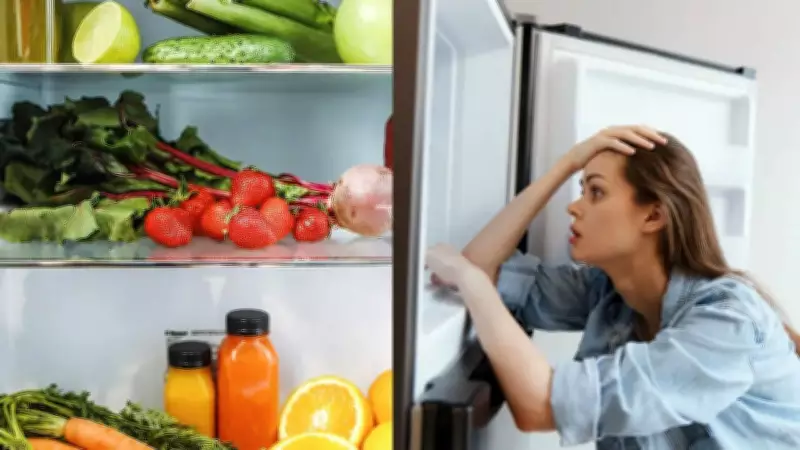
Do you also bring all that grocery and stuff it in the refrigerator? Well, for most of us, refrigerators are those magical vaults that can extend the life of anything and everything, but do you know storing it all together may be the worst thing you have been doing for ages? Keeping groceries in the fridge like a pantry ruins the taste and flavor of every food and drink you store inside your magical vault. Here’s the bitter truth you need to know.
Tomatoes
One of the most common things people store is tomatoes. It is believed that placing tomatoes in the fridge is the ultimate flavor sin. The cold temperature, anything below 50°F or 10°C, triggers a chemical reaction that permanently breaks down their volatile flavor compounds. It also damages their cell membranes, turning a juicy, vibrant fruit into a mealy, tasteless disappointment.
The Fix: Keep them on the counter, stem-side down, away from direct sunlight. Only refrigerate them if they are fully ripe and you cannot eat them before they spoil.

Coffee
If you are storing your coffee beans or grounds in the freezer or fridge, please stop immediately. Coffee beans are incredibly porous and act like literal sponges for moisture and odors. Every time you open that cold container, condensation forms on the coffee, stripping away the delicate essential oils that give you that perfect morning brew. Plus, nobody wants espresso that faint of leftover onion.
The Fix: Store coffee in an airtight, opaque container in a cool, dark pantry.
Bread
It seems logical: put bread in the fridge so it does not get moldy. However, the refrigerator actually accelerates a process called retrogradation, where the starch molecules crystallize in the cold. This makes the bread go stale, dry, and crumbly up to three times faster than it would at room temperature.
The Fix: Keep what you will eat in a bread box or paper bag on the counter. If you cannot finish the loaf in a few days, slice it and freeze it.
Potatoes and Onions
Storing potatoes and onions together in a dark basket under the sink feels like a classic kitchen move. It is also a disaster. Onions emit ethylene gas, which coaxes potatoes to sprout and rot much faster. Furthermore, potatoes should never go in the fridge; the cold converts their starches into sugars, resulting in a gritty texture and an unpleasantly sweet taste when cooked.
The Fix: Keep them both out of the fridge, but store them in separate, well-ventilated dark spaces.
Olive Oil
Leaving your beautiful bottle of extra virgin olive oil right next to the stove looks great in photos, but the constant heat exposure is devastating. Heat and light oxidize the oil, rapidly turning those complex, grassy, and peppery notes into something flat, greasy, and rancid.
The Fix: Store your oil in a dark glass bottle inside a cool, dark cupboard away from the stove and oven.
Garlic and Honey
Honey never spoils—literally ever—unless you put it in the fridge, which causes it to crystallize into a solid, unscrappable block of sugar. Garlic, on the other hand, needs to breathe. Sealing garlic in plastic bags or putting it in the fridge traps moisture, inducing mold and prompting it to sprout bitter green shoots.
The Fix: Keep honey sealed tightly at room temperature. Keep garlic in a mesh bag or open basket on the counter.