

Scientific Breakthrough: Whale Protein Could Extend Human Lifespan Beyond 200 Years
Every human aspires to live a longer, healthier life to achieve their dreams and ambitions. While modern lifestyle stresses have created numerous health challenges, a groundbreaking scientific discovery suggests we might far exceed our current biological limits. According to Worldometer data, the global average life expectancy in 2026 stands at 73.8 years for both sexes combined. However, research from the University of Rochester in the United States has uncovered a remarkable protein in whales that could revolutionize human longevity.
The Whale Longevity Secret: CIRBP Protein
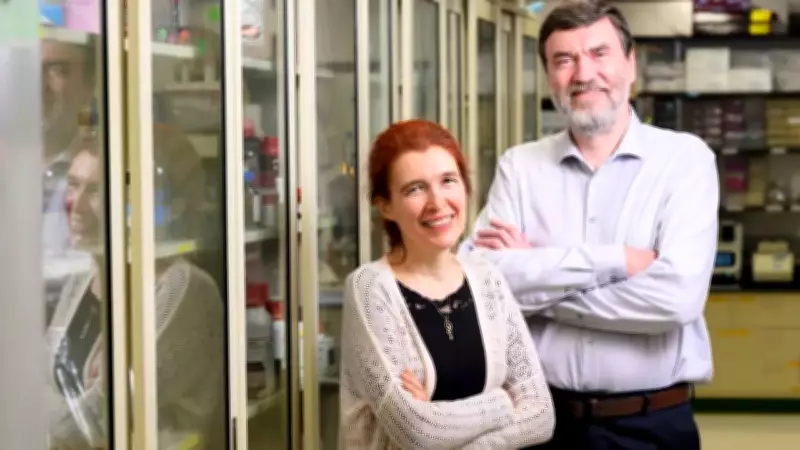
A research team at the University of Rochester, collaborating with scientists from Alaska on the bowhead whale project, has identified an abundant protein called CIRBP that enables whales to repair their DNA for centuries. Vera Gorbunova, Co-director of the Rochester Ageing Research Centre, stated emphatically: "This research demonstrates it is possible to live significantly longer than the typical human lifespan."
The bowhead whale, recognized as the world's longest-living mammal, routinely lives beyond 200 years without developing age-related diseases like cancer. This longevity mystery has fascinated scientists for decades, especially since larger animals with trillions more cells would theoretically face greater cancer risks.

Can Humans Activate the Same Longevity Mechanism?
"There are various approaches to enhance genome maintenance, and here we discover one unique method that evolved in bowhead whales where they dramatically elevate levels of this protein," explained Gorbunova. She added: "Now we must investigate whether we can develop strategies to upregulate the same pathway in humans."
The Rochester team believes Gorbunova's suggestions about exploring ways to boost human CIRBP activity could open unprecedented opportunities for extending human lifespan. Intriguingly, researchers propose that humans might increase their own CIRBP levels through specific lifestyle modifications, particularly cold-temperature exposure.
Why Cold Showers Might Protect Human DNA
The CIRBP protein found in bowhead whales is scientifically classified as cold-inducible, meaning it activates only when the body experiences cold temperatures. Since bowhead whales constantly inhabit freezing Arctic waters, their DNA repair systems operate continuously in cold environments. Scientists are now actively studying whether similar cold exposure techniques could stimulate human cells to produce more CIRBP.
This research direction suggests that regular cold showers or controlled cold-temperature exposure might potentially trigger enhanced DNA repair mechanisms in humans, mimicking the whale's natural defense system.
Whale vs. Human: A Comparative Analysis
- Average Lifespan: While humans average 73.8 years globally, bowhead whales routinely surpass 200 years, nearly tripling human longevity.
- Cancer Defense: Humans face increasing cancer risks after age 50, whereas bowhead whales maintain a "zero-cancer" profile despite having trillions more cells that could potentially mutate.
- Protein Power: Bowhead whales possess approximately 100 times more CIRBP protein in their tissues compared to humans.
- Cellular Strategy: Human cells typically "self-destruct" when severely damaged to prevent cancer, contributing to ageing. Whale cells follow a "Repair over Destroy" principle, fixing serious DNA breaks with remarkable precision.
The Cancer Mystery of Large Mammals
Scientifically, larger animals with more cells should theoretically develop more diseases throughout their lifespans. However, massive mammals like bowhead whales appear to possess "hidden defenses" that allow them to avoid cancer entirely. Their cells demonstrate extraordinary ability to repair serious DNA damage perfectly, enabling tissues to remain healthy for over two centuries.
This cellular repair proficiency represents a built-in biological skill that researchers are desperately trying to understand and potentially replicate in human medicine.

The implications of this research extend far beyond academic curiosity. If scientists can successfully translate whale longevity mechanisms to human biology, we might be standing at the threshold of a medical revolution that could redefine what it means to age and ultimately transform human healthspan for generations to come.





