We are living in an era of fitness. It is becoming increasingly clear that everyone wants to run a marathon, participate in a HYROX race, hit a deadlift personal record, or at least know what zone 2 cardio means. And if you are not counting your proteins, hitting a few thousand steps, or tracking your sleep score, you are probably getting left behind.
While this rings true for every generation, no one is more affected and influenced than young men, for whom self-improvement seems to be the real deal. From hitting the gym to eating clean to the extremes of looksmaxxing, young men today seem to care about their bodies more than any generation before them.
The new male self-improvement stack
Men today are tracking not just their protein, steps, sleep, body fat, supplements, workouts, and screen time but also paying attention to hair, scent, skin, jawline, posture, and how they show up in the world. Pay keen attention to the internet, and you will hear influencers saying how important your face card is and how important it is to take care of it.

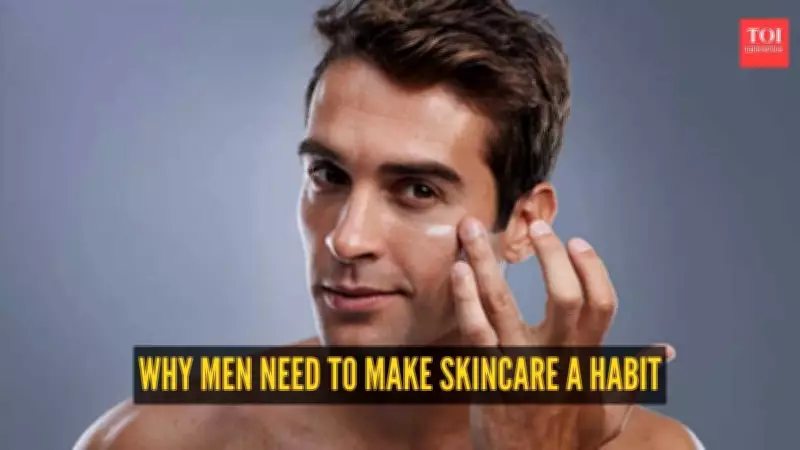
This is not just the grooming of the old. Gone are the times when men's personal care meant soap, shaving, and maybe a deodorant. It is a full self-improvement stack - the body, face, mind, habits, and image are all being treated as connected parts of the same project. While gym and eating have already been sold as discipline to men for decades now, skincare is slowly entering the same conversation.
The shift: Skincare was sold as beauty/vanity
Skincare was marketed mainly through beauty, indulgence, and transformation. This category focused on glow, radiance, softness, and elaborate routines. While this language attracted women, it often missed the mark with male consumers.
As a result, many men continued to see skincare as either unnecessary or overly cosmetic, despite spending heavily on other self-improvement categories like fitness, nutrition, and supplements. The disconnect was less about a lack of interest and more about positioning and societal norms. Fitness was sold through the language of discipline, systems, and consistency. Skincare, on the other hand, was often sold through aspiration and vanity. That perception is now beginning to change. A younger generation of consumers is approaching skincare less as cosmetic enhancement and more as a form of maintenance. Cleansing properly, staying hydrated, protecting skin from sun exposure, and supporting long-term skin health are increasingly being viewed as practical habits rather than indulgent routines.
Fitness language as a bridge to skincare habit building
The fitness industry has succeeded for men because of the inherent simplicity and clarity that it offers and how the industry sets expectations upfront. It is clear to everyone who signs up for a gym that one workout or one good meal is not enough. What is needed is long-term consistency – this language of results coming from repeated simple inputs is far more relatable than the magical language that beauty marketing uses. With multiple new brands setting expectations that skin health is also built through daily inputs like cleansing your face, providing adequate hydration, shielding your skin from the sun, supporting it against fighting pollution, while also sharing the potential goodness that can come from repeating these simple actions, the shift of men's skincare from the beauty shelf to the fitness shelf is well underway.
It is clear that this generation of men does not see skincare the way their fathers did. They do not treat it as embarrassing, feminine, or unnecessary. They see it as part of daily functioning, like eating enough protein, working out, or sleeping better.
By Vivek Kaimal, Founder, Macros