The Mystery of the Musty Water Bottle Smell
Reusable water bottles are a constant companion in our daily lives, carried to gyms, placed on office desks, and tucked into backpacks for hikes. Yet, despite regular washing, they often retain that persistent musty and plasticky odor. Many people blame dirty water or backwash, but the real culprit lies in chemical reactions originating from the bottle's lid.
Chemical Reactions in the Lid: The Hidden Culprit
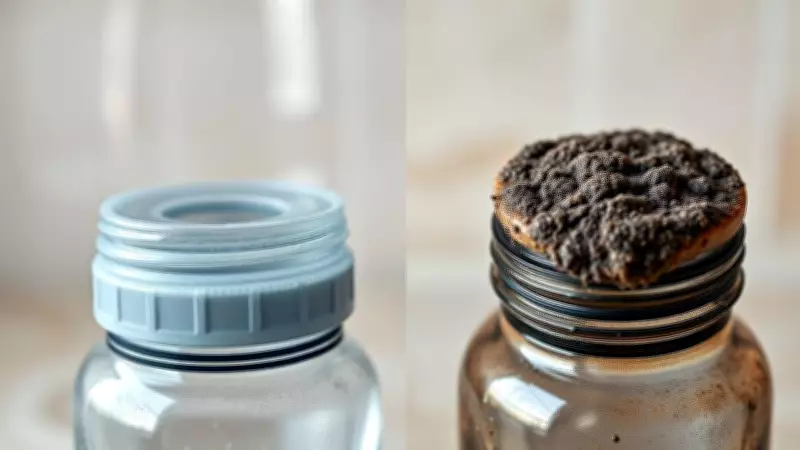
When you seal a bottle that isn't completely dry, moisture gets trapped in the threads and crevices of the lid. This creates a microscopic ecosystem under pressure, leading to chemical decomposition. This process isn't about hygiene but involves the materials used in the bottle, directly affecting the quality of the water you drink.
The Science Behind "Plastic" Smelling Water
Most reusable bottles are made from polyethylene, a durable material ideal for holding beverages. However, research published in Water Research reveals that polyethylene is vulnerable to photodegradation when exposed to light and water. This decomposition releases volatile organic compounds (VOCs) like butyl vinyl ketone and benzophenone, which cause the unpleasant odor.

The study found that even minimal light exposure accelerates this process, with low-density polyethylene (LDPE) bottles being particularly prone. The cap area becomes a hotspot for these reactions because water lingers there longer than in other parts of the bottle.
Moisture and Microbial Interactions
Beyond plastic breakdown, the smell is exacerbated by processes common in damp environments. According to research on odor deterioration in aquatic products, typical odors arise from the interplay between lipid oxidation and microbial activity. Similar to how fish develop odors in wet conditions, the "funky" smell in your water bottle results from moisture interacting with residues in the container.
How to Keep Your Water Bottle Fresh and Odor-Free
To prevent your drink from turning unpleasant, it's crucial to disrupt the moisture process. Many people clean their bottles and seal them immediately, thinking this keeps them clean, but this actually causes the most damage by trapping moisture.
The "Separate and Dry" Technique
The recommended cleaning method involves storing the bottle and lid separately while wet until they are fully dry. This ensures proper ventilation for the cap's threads and seals, areas where water typically accumulates. This is especially important for bottles with complex straws or sport caps that have many hard-to-reach spots.
Smart Storage Practices
Since sunlight is a major catalyst for odor-causing chemical reactions, as proven by the Water Research study, keep your bottle in a bag or shaded area instead of on a sunny car dashboard. This can significantly extend its freshness. If a bottle has already developed a strong smell, soaking it in an enzymatic cleaner can help break down protein and lipid residues, effectively "resetting" the material.
Maintaining a fresh-smelling bottle isn't just about pleasant taste; it's a good habit for daily use. By ensuring the lid is completely dry before sealing, you can prevent chemical decomposition and avoid that awful odor.