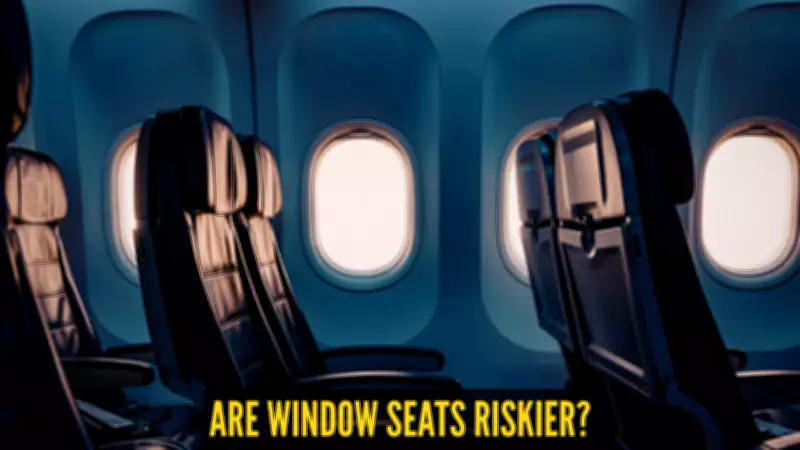
Grabbing a window seat offers stunning views of the skyline or mountains, making any trip feel like a true adventure. However, studies indicate that choosing that window spot on a daytime flight might expose you to more radiation than expected. There is no need for panic, as experts reassure occasional travelers that the risks are minimal. Yet, for long-haul flights exceeding 10 hours, understanding the science behind this exposure can help you make informed decisions.
Why Does Radiation Exposure Increase During Flights?
Commercial airplanes typically cruise between 30,000 and 40,000 feet. At this altitude, there is significantly less atmosphere above compared to ground level. The Earth's atmosphere acts as a protective blanket, filtering and absorbing various forms of radiation. When this natural shield thins, passengers face higher levels of both ultraviolet (UV) and cosmic radiation. These two types are often confused but are quite distinct. UV radiation comes from the Sun and primarily affects the skin, while cosmic radiation consists of high-energy particles from deep space that easily penetrate the aircraft cabin, affecting everyone on board regardless of seat location.
The Window Seat Factor
Window seats pose a slightly greater concern because airplane windows do not block all UV radiation. Research by the Federal Aviation Administration's Civil Aerospace Medical Institute found that while cabin windows effectively block UV-B rays (which cause sunburn), they allow a significant amount of UV-A radiation to pass through. UV-A penetrates deeper into the skin and is linked to long-term damage and premature aging. With less atmosphere to block it, UV radiation at cruising altitude is considerably stronger than on the ground. A study published in JAMA Dermatology by researchers at the University of California, San Francisco, measured UV levels inside a cockpit. They found that sitting in sunlight for just 56.6 minutes at 30,000 feet exposed pilots to UV-A equivalent to a 20-minute tanning bed session. This does not mean passengers are exposed to medical X-ray levels, but it highlights that UV-A exposure can be surprisingly high when sunlight streams directly into the cabin.

What About the Chest X-Ray Comparison?
The common claim that a flight delivers radiation equivalent to two chest X-rays refers to cosmic radiation, not UV rays. High-energy particles from outside our atmosphere collide with atmospheric gases, creating a secondary radiation shower that affects aircraft at high altitudes. Unlike UV rays entering through windows, cosmic radiation impacts everyone on the plane equally. According to aviation regulator radiation models, a long-haul intercontinental flight exposes passengers to roughly 0.10 to 0.15 millisieverts (mSv) of cosmic radiation. For context, a standard diagnostic chest X-ray delivers about 0.1 mSv.
Are Travelers at Risk?
For those who fly only a few times a year, the health risk from radiation is incredibly small. The primary concern is for flight crews, pilots, and frequent business travelers who spend hundreds of hours in the air annually. Studies show that flight crews accumulate higher cumulative radiation doses due to their high-altitude work environment. Dermatologists are particularly worried about UV-A exposure, as repeated exposure over years can accelerate skin aging and increase the risk of certain skin cancers.
How Can You Reduce Exposure?
Minimizing UV exposure on a daytime flight is straightforward. Lowering the window blind is the quickest and most effective fix, instantly blocking direct sunlight. Choosing an aisle seat instead of a window seat also helps avoid direct rays. Applying a broad-spectrum sunscreen with SPF 30 or higher on long daytime flights is advisable, especially when sunlight is glaring. Wearing UV-blocking sunglasses and lightweight, long-sleeved clothing provides an extra layer of defense.
Passengers in window seats absorb significantly higher UV-A levels than those on the ground. While occasional travelers need not worry, frequent flyers should take simple precautions like using sunscreen, covering up, and closing the blind during sunny daytime trips. Next time you secure that coveted window seat, enjoy the view but remember that a little sun protection at 35,000 feet goes a long way.