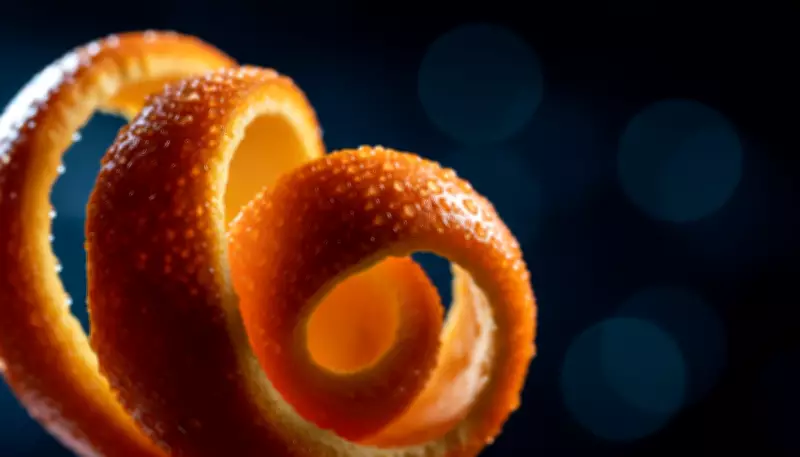
Orange Peel Oil: The Scientific Validation of a Natural Skincare Powerhouse
That seemingly insignificant pile of orange peels you discard after enjoying your morning fruit? Emerging scientific research indicates they possess more potent skincare benefits than numerous high-end serums crowding bathroom shelves. The beauty industry is finally acknowledging what natural skincare advocates have proclaimed for generations, with compelling laboratory evidence now supporting these traditional claims.
The Dual Mechanisms of Skin Aging: Intrinsic Versus Photoaging
Dermatologists identify two primary pathways through which skin ages: intrinsic chronological aging and photoaging caused by ultraviolet radiation exposure. When UVB rays penetrate the skin's surface, they initiate a cascade of oxidative stress that floods cellular structures with destructive free radicals. These unstable molecules systematically degrade collagen and elastin fibers—the essential proteins responsible for skin's firmness and elasticity. The visible consequences manifest as fine lines, deep wrinkles, and that persistent dull complexion no digital filter can adequately conceal.
Human skin possesses inherent defensive mechanisms, including antioxidant enzymes like superoxide dismutase and catalase that neutralize free radicals. However, chronic sun exposure gradually depletes these natural reserves. As these defenses weaken, pro-inflammatory compounds infiltrate skin tissues and activate specialized enzymes called matrix metalloproteinases (MMPs). These MMPs accelerate the breakdown of structural proteins, leading to accelerated skin aging and loss of structural integrity.

Polymethoxyflavones: The Scientific Breakthrough in Orange Peel Oil
Cold-pressed orange peel oil contains remarkable concentrations of polymethoxyflavones (PMFs), a unique class of bioactive compounds that demonstrate exceptional antioxidant properties. Unlike conventional antioxidants, PMFs exhibit targeted efficacy against UV-induced skin damage. A pivotal study published in the Journal of Functional Foods documented that topical application of cold-pressed orange peel oil on UVB-exposed human skin significantly elevated antioxidant enzyme levels while simultaneously reducing oxidative markers like hydrogen peroxide.
Most notably, the research revealed that orange peel oil substantially inhibited the activity of MMP-2 and MMP-9 enzymes—the specific collagen-degrading agents responsible for wrinkle formation. The protective effects demonstrated dose-dependent responses comparable to vitamin E, long considered the gold standard antioxidant in dermatological formulations. This positions orange peel oil as a scientifically validated natural alternative to synthetic antioxidants.
Intriguingly, when PMFs encounter UVB radiation, they undergo partial transformation into more potent hydroxylated derivatives such as 5-demethyltangeretin. These enhanced compounds accumulate within skin tissues, extending the protective window precisely when skin needs it most—during sun exposure. This adaptive mechanism represents a sophisticated biological response rarely observed in skincare ingredients.
Advanced Formulations: Combining Orange Peel with Omega-3 Encapsulation
Cutting-edge research has explored sophisticated delivery systems that combine orange peel extract with omega-3-rich fish oil encapsulated within alginate hydrogel beads. A 2024 investigation published in Scientific Reports demonstrated that these microscopic beads provide sustained release of active compounds over 45 to 120 minutes, offering prolonged anti-inflammatory and antioxidant benefits rather than transient effects.
The hydrogel matrix not only prevented enzymatic degradation of elastin and collagen but also promoted fibroblast proliferation—the skin cells essential for wound healing and tissue regeneration. Compared to conventional drugstore serums, this innovative delivery system provides precise, controlled release of therapeutic compounds, maximizing efficacy while minimizing potential irritation.

Creating Your Own Science-Backed Orange Peel Serum
You needn't possess laboratory equipment to harness these benefits. A simple homemade serum requires only fresh orange peels thoroughly washed and dried, combined with a carrier oil like jojoba or sweet almond oil through cold pressing or gentle low-heat infusion. After straining the mixture into a dark glass bottle (light degrades PMFs), you'll have created an effective, economical serum backed by scientific principles.
For optimal results, apply daily before sun exposure. Important precaution: Orange peel oil may increase photosensitivity in individuals with sensitive skin, making preliminary patch testing essential. To enhance anti-aging effects, consider combining orange peel extract with complementary botanicals like curcumin, bakuchiol, or silymarin—these synergistic combinations target oxidative stress, inflammation, and collagen degradation through multiple biological pathways simultaneously.
The Broader Implications for Natural Skincare
While natural skincare has often been dismissed as anecdotal or lacking scientific rigor, orange peel research represents a paradigm shift where traditional wisdom converges with empirical evidence. Although additional clinical trials are necessary to establish standardized formulations and long-term efficacy, the fundamental biochemical mechanisms are now well-documented. For millennials and Generation Z consumers skeptical of both synthetic ingredients and vague wellness claims, orange peel oil offers a compelling middle ground—a naturally derived solution with transparent scientific validation.
This research signifies more than just another skincare trend; it represents a meaningful convergence of traditional knowledge and modern science, potentially revolutionizing how we approach natural skincare formulations and their integration into evidence-based dermatological practice.