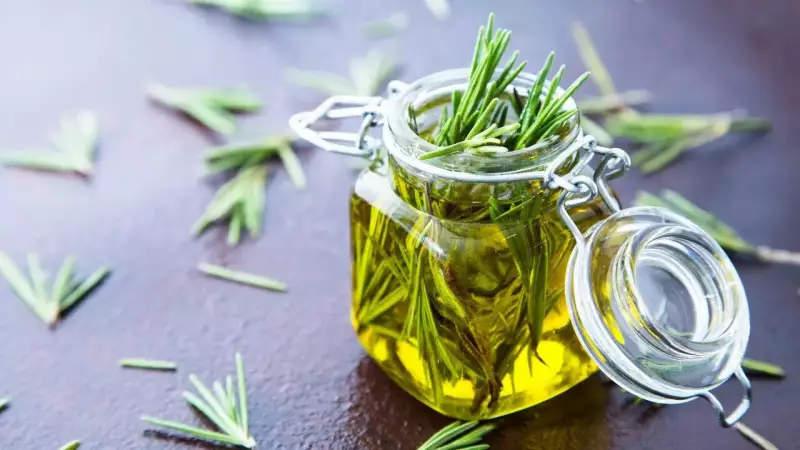
In the quest for natural and effective hair care solutions, rosemary essential oil has surged in popularity across India. Moving beyond its traditional aromatic uses, this herbal extract is now widely sought for its purported benefits in reducing hairfall and managing dandruff, offering a plant-based alternative to conventional chemical products.
The Scientific Evidence Behind Rosemary Oil's Hair Benefits
Modern research is beginning to validate what traditional medicine has long suggested. A pivotal six-month randomized controlled trial published in the journal Skinmed provided compelling data. The study compared the effects of topical rosemary oil with 2% minoxidil, a standard hair loss treatment, in men with androgenetic alopecia. Remarkably, the research found a significant increase in hair count in the rosemary oil group, results that were comparable to the minoxidil group. This positions rosemary oil as a credible, natural promoter of hair regrowth.
The efficacy of rosemary oil is attributed to its rich profile of bioactive compounds, including 1,8‑cineole, camphor, and alpha‑pinene. These components work synergistically to stimulate scalp circulation, deliver vital nutrients to hair follicles, and exhibit potent antioxidant and anti-inflammatory properties. By protecting follicles from oxidative stress and environmental damage, rosemary oil supports a healthier scalp environment conducive to hair retention.

How Rosemary Oil Tackles Hairfall and Dandruff
Hairfall is often a multifactorial issue involving poor scalp circulation, nutrient deficiency, and inflammation. Rosemary oil addresses these core problems. By enhancing blood flow to the scalp, it helps prolong the active growth (anagen) phase of hair while delaying the shedding (telogen) phase. Its antioxidant action further shields follicular cells from damage.
For dandruff, which involves fungal overgrowth and scalp irritation, rosemary oil's antifungal and anti-inflammatory properties come into play. It helps regulate the scalp's microbiome, reduce flaking, and soothe dryness, thereby creating a healthier foundation for hair to grow strong.
Safe and Effective Application Guidelines
To harness its benefits safely, it is crucial to use rosemary oil correctly. Being a highly concentrated essential oil, it must always be diluted in a carrier oil such as coconut, jojoba, or castor oil before application. Experts recommend starting with 2–3 applications per week, massaging the blend gently into the scalp to boost absorption and circulation.
Consistency is key, as hair growth is a slow process requiring several months of regular use to see measurable results. Users should monitor their scalp for any signs of sensitivity, such as redness or itching, and discontinue use if adverse reactions occur. Integrating rosemary oil into a holistic routine that includes a balanced diet and gentle hair care practices will yield the best outcomes.
It is important to note that individual results can vary based on factors like hair type, underlying health conditions, and product quality. While rosemary oil offers promising natural support, it is not a miracle cure for severe genetic hair loss or chronic scalp disorders. For persistent issues, consulting a qualified healthcare provider is essential.