As another year marked by global turmoil and mass tragedies draws to a close, readers are turning to a surprising source for solace and understanding: horror literature. The most compelling horror stories of 2025 do more than just frighten; they provide a language for confronting the unspeakable. From the scars of historical genocide to the intimate pains of personal loss, these five standout novels transform terror into a tool for introspection, asking, as Stephen King once did, how much horror the human mind can bear.
The Reckoning: Horror as Historical Mirror
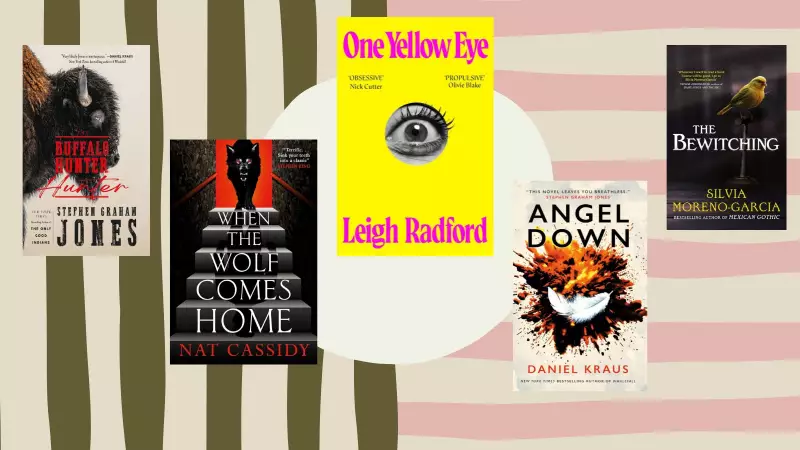
Leading the pack is Stephen Graham Jones's "The Buffalo Hunter Hunter." This wildly ambitious vampire tale, set in 1912 Montana, uses a nested narrative to deliver a gory and entertaining yet profoundly unsettling reckoning with America's past. A Blackfeet tribesman recounts a story of loss to a Lutheran pastor over nearly 500 pages, directly tying the narrative to the real history of Native American genocide and the mass slaughter of the American bison. Jones refuses to pull punches, using the supernatural to expose the greed and bloodlust that fueled westward expansion, making trauma felt across generations.
Similarly, Daniel Kraus's "Angel Down" uses a fantastical premise to examine the very real hell of war. Set in the trenches of World War I, the story follows American soldiers on a suicide mission to rescue a shrieking comrade in No Man's Land, who turns out to be a wounded angel. Kraus, a seasoned horror writer, renders battlefield scenes with gut-wrenching, cinematic detail. Written in a single, astonishing sentence, the novel becomes a lyrical and brutal meditation on human nature and our instinct for violence.

Personal Terrors: Love, Loss, and Fairy Tales
On a more intimate scale, Leigh Radford's debut, "One Yellow Eye," presents a heartbreaking zombie apocalypse story. British scientist Kesta Shelley works desperately in her lab to find a cure, not just for humanity, but for her infected husband, whom she keeps tied up in her basement. Radford weaves a twisted love story that meditates on grief, medical ethics, and the dangerous lengths of obsessive love, questioning whether one person's devotion could jeopardize the entire world.
Fairy tales get a terrifying makeover in Nat Cassidy's "When the Wolf Comes Home." Cassidy strips away Disney's candy-hued veneer to return to the menacing roots of Brothers Grimm lore. The story follows wannabe actor Jess, who rescues a terrified boy and flees from his pursuing father. With a high body count and a lengthy trigger warning, the book uses classic elements—a vulnerable child, a deadly game of hide and seek—to subvert expectations and excavate the pain of loving those you fear.
Academic Dread: Folklore and Feminist Horror
Finally, Silvia Moreno-Garcia's "The Bewitching" masterfully blends folklore, gothic horror, and dark academia. Grad student Minerva Contreras investigates the life of obscure horror writer Beatrice Tremblay, uncovering connections between a 1930s disappearance at her college, a family tragedy in Mexico, and a string of modern-day mysteries. Told from the perspectives of three women across three timelines (1908, 1934, 1998), the book is a masterclass in slow-building dread. Moreno-Garcia employs a feminist lens to examine witchcraft and the power dynamics that label some knowledge as valid and other as mere superstition, creating a richly layered tale steeped in horror history.
Together, these five books demonstrate that horror, at its best, is not an escape from reality but a plunge into its darkest, most necessary truths. They offer portals to our innermost selves, where we can stare down the dread we dare not face in the daylight.