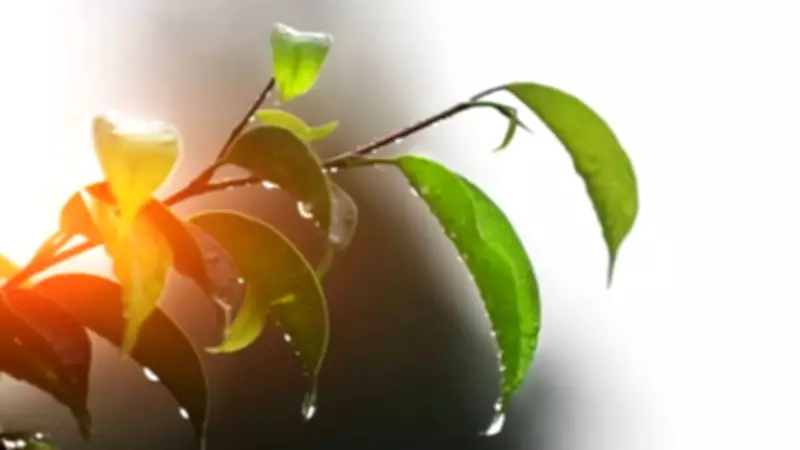
The Indian monsoon provides relief from extreme summer heat but introduces challenges for household gardens. Excessive rain, high humidity, waterlogging, and poor drainage often lead to root rot and fungal infections in plants. However, certain plants flourish in moisture-rich environments during the rainy season. Garden experts recommend selecting monsoon-friendly plants to keep terraces and balconies green and healthy. Here are six examples of plants that withstand Indian monsoon conditions without significant harm.
Areca Palm Loves Humid Environments
Areca palms thrive in moist and humid weather, unlike many plants that struggle during monsoons. With proper drainage, they grow well and develop greener leaves due to increased air moisture. Terrace gardeners favor areca palms for their tropical appeal and low maintenance during weather changes.
Hibiscus Blooms Beautifully in Rains
Hibiscus flowers respond positively to monsoon weather when planted in well-drained soil. Higher moisture and cooler temperatures boost their productivity compared to dry summers. Occasional pruning supports growth, but avoid standing water near roots to prevent harm.

Money Plants Grow Faster in Monsoon
Money plants are among the easiest to grow indoors or on balconies during the monsoon. Their fast-growing vines thrive on humidity and indirect natural light, making them less prone to rot. Minimal care requirements make them ideal for Indian households.
Coleus Thrives Under Rainy Conditions
Coleus plants, known for colorful leaves, survive monsoon conditions both indoors and in pots on balconies. Regular trimming enhances their appearance. They grow quickly and need little maintenance except occasional watering.
Peace Lilies Tolerate Moist Environments
Peace lilies are popular for humid environments, featuring beautiful green leaves and bright flowers that look healthier in moist air with indirect sunlight. They prefer slightly moist soil but require proper drainage for successful growth.
Snake Plants Survive Under Different Weather Conditions
Though associated with hot climates, snake plants adapt well to humid weather if waterlogging is avoided. Their thick leaves help them endure weather changes, and they need minimal attention from gardeners during the monsoon months.
Disclaimer
This article is for general informational and gardening awareness purposes only. Plant growth and survival may vary depending on climate, rainfall, drainage, sunlight, and local environmental conditions. Readers are advised to consult local gardening experts or horticulture professionals for plant-specific care guidance.