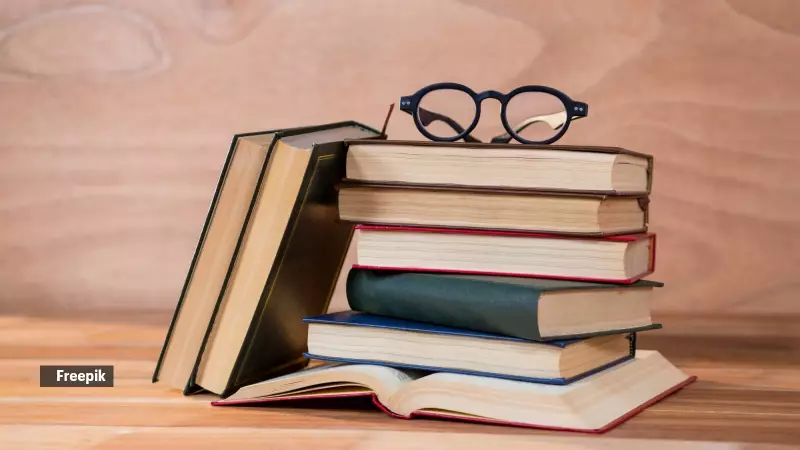
In an era dominated by screens and endless digital notifications, the simple joy of reading a book is under threat. A recent study highlights a worrying trend: the number of Americans reading for pleasure has nearly halved over the past twenty years. Similarly, student reading scores are falling sharply. For book enthusiasts in India and worldwide, finding the focus to read can feel like an uphill battle. However, a new wave of literary podcasts is emerging as a powerful antidote, designed to help listeners indulge, develop, or rekindle a passion for the written word.
Your Personal Literary Matchmakers
One of the biggest challenges for modern readers is decision fatigue. With millions of titles available, choosing your next book can be paralyzing. This is where podcasts step in as expert guides. Anne Bogel, the creator of the popular Modern Mrs Darcy blog, hosts 'What Should I Read Next?', a literary matchmaking show. For almost a decade, Bogel has interviewed guests about their reading tastes and habits, offering personalised recommendations. The podcast champions reading what you love, moving beyond the pressure of literary prestige or trending BookTok lists.
For those fascinated by literary history, 'Backlisted' is a treasure trove. Hosted by author Andy Miller and publisher John Mitchinson, this podcast aims to "give new life to old books." Each episode dives deep into a single overlooked or underappreciated classic, from hidden gems to fresh takes on works like Wuthering Heights. It's a detailed and passionate exploration for curious minds.

Critical Analysis and Reading Life Hacks
Not all bestsellers deserve their fame. The podcast 'If Books Could Kill' provides a delightfully snarky and thoroughly researched critique of popular nonfiction. Hosts Michael Hobbes and Peter Shamshiri deconstruct airport bestsellers on topics like self-help and pop psychology, such as The Secret. They expose flawed arguments and pseudoscience while exploring how these books shape harmful cultural narratives, all in an entertaining format that champions critical thinking.
Sometimes, the problem isn't what to read, but how to read. 'Reading Glasses' is a podcast dedicated to optimising your literary life. Hosts Brea Grant and Mallory O'Meara tackle practical issues: breaking out of a reading slump, using your local library effectively, and guilt-free strategies for abandoning a book. They also review reading technology and host annual challenges to keep listeners motivated.
Deep Dives into Culture and History
For listeners craving an immersive, scholarly experience, 'Literature and History' is an epic undertaking. Host Douglas Metzger chronologically traces civilisation through its foundational texts, starting from ancient Sumeria through Egypt, Greece, and Rome. Metzger makes academic rigour accessible, dissecting works like the Odyssey and the Bible within their sociocultural context, ensuring the journey is both sharp and engaging.
Comedian Jamie Loftus offers a compelling and unsettling analysis in 'Lolita Podcast.' She examines the vast gap between Vladimir Nabokov's intent in his 1955 novel and its cultural reception, chronicling how its abusive central relationship has been dangerously romanticised in adaptations and criticism. It's a masterclass in nuanced cultural critique.
Finally, for pure, joyful book chatter, turn to 'Currently Reading.' Best friends Meredith Monday Schwartz and Kaytee Cobb discuss their recent reads—good and bad—and cover topics like raising children to be readers and reviewing movie adaptations of books in their 'Popcorn in the Pages' miniseries. It feels like a weekly book club with your most literary friends.

These seven podcasts, originally featured in The New York Times, provide a multifaceted solution to the modern reader's dilemma. They offer critical analysis, practical advice, historical insight, and passionate community. For Indian audiences looking to reclaim their reading time amidst digital distractions, hitting play on any of these shows could be the first step back into a world of endless stories.