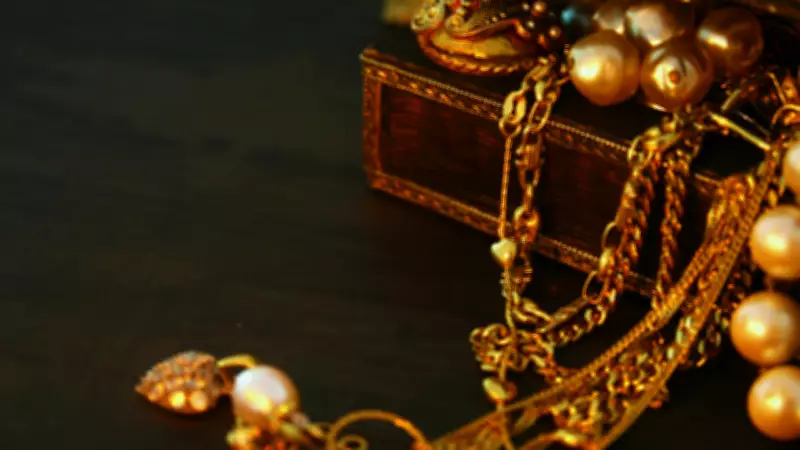
Ancient Gold Ornaments Unearthed in Karnataka Village During House Construction
A routine foundation excavation for a new house in a tranquil Karnataka village transformed into an extraordinary archaeological event when workers discovered a buried pot containing gold ornaments. The remarkable find occurred during standard construction activities in Lakkundi, a location already celebrated for its rich historical and cultural heritage.
Discovery Sparks Immediate Excitement
The gold ornaments were reportedly found inside a copper vessel by local resident Gangavva Basavaraj Ritti. After alerting authorities, archaeological officials swiftly arrived to examine the artifacts, while news of the discovery spread rapidly through the community, generating widespread speculation about hidden treasure.
However, experts from the State Archaeology Department quickly tempered expectations. Officials clarified that the discovery does not qualify as archaeological "treasure" but rather appears to be ordinary household jewelry commonly found in historical settlements.

Archaeological Context and Historical Significance
Archaeological Department Superintendent Ramesh Mulimani explained that during earlier centuries, families frequently buried their valuables—particularly gold ornaments—near kitchens or hearths as a protective measure against theft. The broken and utilitarian nature of the Lakkundi ornaments aligns with this historical practice.
Researchers estimate the ornaments date back to the 11th or 12th century, when Lakkundi served as a thriving economic and cultural center under the Chalukya dynasty. Located in present-day Gadag district, the village remains renowned for its:
- Hindu and Jain temples
- Ancient stepwells
- Historical stone inscriptions
Distinguishing Features of the Discovery
According to researcher Appanna Hanje, the jewelry weighs approximately 470 grams and differs significantly from royal ornaments of the era, which typically featured elaborate craftsmanship and symbolic motifs. The relatively simple designs suggest these pieces belonged to common residents rather than elite members of society.
The absence of gold coins or ceremonial items further supports this conclusion, indicating these were personal possessions rather than ritual or state treasures.
Family Seeks Compensation or Return of Artifacts
The discovery has sparked a compensation dispute, with the family that found the gold requesting either the ornaments' return or appropriate compensation. They argue that the jewelry holds minimal archaeological value and likely belonged to their ancestors.
"We do not want the gold. The government should build a house for us. If that is not possible, then the ornaments belonging to our grandfather and great-grandfather should be returned to us," the family stated.
Current Status and Future Investigation
The gold remains in government custody as experts continue their assessment. State Archaeology Department expert Smita Reddy is expected to visit the site shortly to conduct further investigation and confirm the ornaments' exact historical period.
While not a history-altering discovery, this find provides valuable insight into the daily lives of ordinary people who inhabited the region centuries ago. It demonstrates how common families protected their wealth by burying valuables beneath their homes—a practical security measure in an era before locks and vaults became commonplace.
The discovery adds to Lakkundi's archaeological significance, where more than 150 inscriptions, temples, and sculptures have been uncovered over the years, collectively painting a picture of a once-prosperous residential settlement where such household finds were not uncommon.