Ancient Tamil Nadu Diet Uncovered: Millets and Pulses Were Staple Foods 3,500 Years Ago
A groundbreaking archaeological study has revealed that millets and pulses formed the core diet of people living approximately 3,500 years ago in the foothills of the Western Ghats near Coimbatore. This fascinating discovery provides unprecedented insights into the agricultural practices and dietary habits of ancient Tamil Nadu communities during the Neolithic period.
Archaeobotanical Research at Molapalayam Site
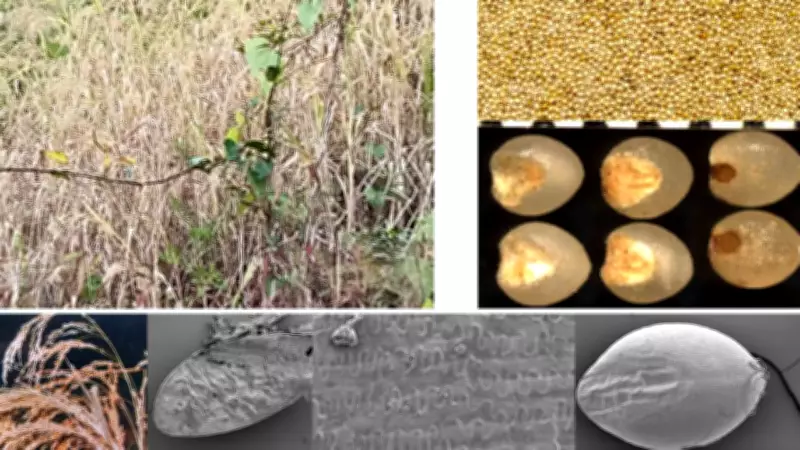
Researchers from Deccan College conducted an extensive archaeobotanical examination of samples collected from Molapalayam, a significant Neolithic site dating back to 1,600 BCE located near Coimbatore. The study meticulously analyzed charred plant remains to reconstruct the ancient agricultural landscape and food consumption patterns of the region.
The research team identified an impressive variety of millet species through careful examination of taxonomic characteristics:

- Kodo millet (varagu)
- Little millet (samai)
- Proso millet (panivaragu)
- Browntop millet (kulasamai)
- Foxtail millet (tinai)
- Barnyard millet (kuthraivali)
Remarkably, several of these millet varieties find mention in Sangam literature, which dates from the 3rd century BCE to the 3rd century CE, establishing a cultural continuity spanning centuries.
Groundbreaking Discoveries and Historical Significance
"For the first time we've found evidence of a variety of millets cultivated during the Neolithic period," stated archaeobotanist Satish S Naik from the Department of Ancient Indian History, Culture and Archaeology at Deccan College Post-Graduate Research Institute in Pune. Naik conducted this research alongside his student Adithya Remesan, marking a significant advancement in understanding ancient agricultural systems.
The study yielded several remarkable findings:
- Earliest evidence of tur dal consumption in Tamil Nadu - The research revealed that people in this region were using tur dal approximately 3,500 years ago
- Diverse pulse cultivation including black gram (ulundu), green gram (pacchai payaru), horse gram (kollu), and hyacinth bean (avarai)
- Fruit consumption evidence through the discovery of Indian jujube seeds
Agricultural Patterns and Environmental Adaptation
Archaeologist V Selvakumar from the Department of Maritime History and Maritime Archaeology at Tamil University, Thanjavur, who excavated the site, emphasized the study's importance: "This study gives important evidence for the grain basket of ancient Tamil Nadu and early agricultural practices. Even now, horse gram and other millet crops are cultivated in the Coimbatore region."
The research revealed sophisticated agricultural systems adapted to local environmental conditions:
- Drought-resistant crops indicating rain-fed agricultural systems
- Seasonal agricultural calendar with millets cultivated during monsoon seasons
- Legume cultivation during post-monsoon periods
- Agricultural practices suited to semi-arid to sub-humid conditions
Broader Dietary and Agricultural Context
The study extended beyond plant remains to provide a comprehensive picture of ancient life:
Animal domestication evidence through bone remains of goat, sheep, cattle, and buffalo demonstrated dietary habits and early animal husbandry practices. Additionally, traces of deer and antelope indicated that hunting supplemented their food sources.
Comparative archaeological evidence from other sites in Tamil Nadu reveals an evolving agricultural landscape:

- Previous findings at Paiyampalli (another Neolithic site in Tirupattur district) identified charred remains of horse gram, green gram, and ragi millet
- The earliest evidence for rice cultivation in Tamil Nadu was recorded in the Tamirabarani river basin at sites including Adichanallur and Sivagalai
- At Boothinatham (an early historic site), researchers found evidence of millet cultivation including browntop millet, sawa millet, ragi, kodo millet, and rice, along with pulses
"The cultivation of bajra millet, or pearl millet (kambu), shows that in the early historic period agriculture evolved, with rice cultivation spread across the landscape," explained Satish Naik, who also found evidence of cultivated rice and green gram fragments during archaeobotanical studies at Adichanallur, an Iron Age site.
This comprehensive research not only illuminates the dietary patterns of ancient Tamil Nadu but also demonstrates the sophistication of early agricultural systems that continue to influence farming practices in the Coimbatore region today.