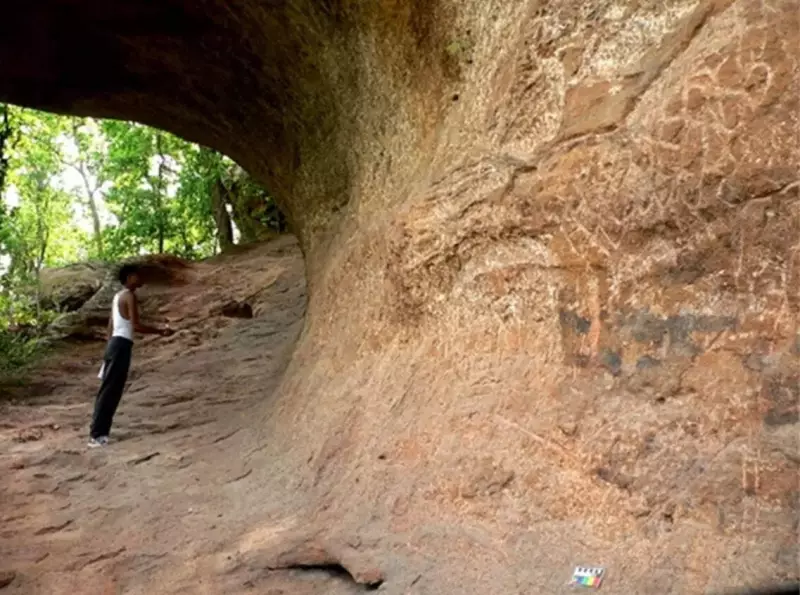
In a landmark move for Indian archaeology, the Archaeological Survey of India (ASI), Puri circle, is set to initiate its first-ever scientific investigation of prehistoric rock art sites in Odisha. The focus will be on the Rairakhol region of Sambalpur district and the Bamur area in Angul district, aiming to unlock the mysteries of ancient human habitation in the lower Mahanadi valley.
A Pioneering Scientific Endeavour
The groundbreaking process is scheduled to commence from Friday, following a proposal for the protection of these invaluable sites by Union Minister Dharmendra Pradhan. The ASI is collaborating with the state's forest and tourism departments to undertake this significant work. The primary objectives are twofold: to establish an absolute chronology for the sites and to digitally document all rock art for their long-term preservation.
D B Garnayak, ASI Superintending Archaeologist, explained the core purpose. He stated that the scientific excavation aims to determine the exact dating of the sites by analyzing organic materials present in the rock art caves. Furthermore, it seeks to trace the historical movement of humans from these rock shelters to the delta region.

Clues from Extinct Creatures
Garnayak provided a fascinating example that hints at the immense antiquity of these sites. "Rairakhol has caves with engravings of large birds that are presumed to be prehistoric ostriches or ostrich-like creatures," he said. "Such ostriches went extinct at least 15,000 years back. So, we are assuming the rock art may be that many years old. However, this scientific investigation will help us get an absolute date."
The scale of the heritage is substantial. Sambalpur district alone boasts 42 rock art sites located in the reserve forests of Rail, Landimal, and Luhapank-Brahmani, all within the Rairakhol subdivision. This number constitutes a remarkable 40.38% of the total rock art shelters discovered so far in the state of Odisha. Similarly, Dantari Hill in the Kaimur range near Bamur has a large concentration of such sites.
Eastern India's Largest Rock Art Zone
Garnayak highlighted the geographical significance of the area, describing it as the largest rock art heritage zone in eastern India. A large number of rock shelters are found in the catchment area of three perennial streams:
- Khalbala in the Rail range
- Champali in the Landimal range (both tributaries of Tikira, which feeds into the Brahmani river system)
- Sureswari, a tributary of the Mahanadi, in the Bamur region
This systematic study represents a crucial step forward from mere documentation to active, science-based interpretation. The findings are expected to shed new light on the prehistoric cultural landscape of Odisha and India, offering definitive answers about the timeline of human settlement and artistic expression in this rich ecological zone.