Beyond Plantations: Assam's Deep-Rooted Tea Rituals and Traditions
Prime Minister Narendra Modi's recent visit to an Assam tea garden has spotlighted the state's globally renowned tea industry. However, beyond the sprawling estates and export statistics lies a profound cultural narrative of rituals, flavors, and traditions that seldom reach mainstream attention.
Tea as a Ceremony, Not a Casual Habit
According to Delhi-based home chef Sneha Saikia, who curates immersive dining experiences through her initiative Table for 6 Luncheon, Assam's chai culture is far more intricate than commonly perceived. "People often assume chai is something you drink casually, anytime," says Saikia. "But in Assam, tea is a ritual. There is a designated tea time, and families actually sit together to drink it."
This practice is deeply embedded in tradition, where tea is served with deliberate intention and grace. "We don't just pour tea into cups and move on," she explains. "Traditionally, tea was served in bell metal utensils called banbati. Guests are seated properly, and tea is offered with respect—almost like a ceremony."

Lal Sa: The Authentic Red Tea of Assam
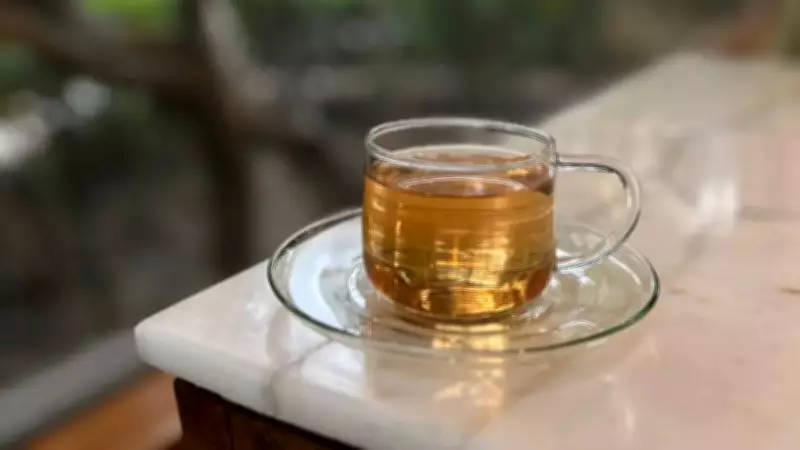
One of the most surprising aspects for outsiders is Assam's preference for Lal Sa, or red tea. "It's always without milk," Saikia emphasizes. "Milk tea is actually a later adaptation. Traditionally, milk wasn't easily available, so people drank tea in its purest form."
She humorously contrasts regional preferences: "In North India, if you serve tea without milk, people might feel offended. But in Assam, serving Lal Sa is a sign of authenticity. It's light, doesn't make you feel bloated, and you can drink it multiple times a day." Often paired with jaggery instead of sugar, Lal Sa remains the most common tea served in homes and roadside stalls across the state.
Unique Food Pairings and Accompaniments
Alongside tea comes pitha, a staple Assamese delicacy. "There are so many varieties of pitha, often made with sticky rice and stuffed with jaggery or coconut," she adds. "No biscuits, no cookies—that's not part of the culture."
Food pairings in Assam's tea culture are remarkably distinctive:
- Pitha: Especially during festivals like Bihu, with varieties like Ketli Pitha, a steamed rice cake made using a kettle and stuffed with jaggery.
- Coconut Laddoos and Black Chana: Common sweet and savory accompaniments.
- Fried Small Fish: An unusual but completely normal pairing that often surprises outsiders.
Beyond Green Tea: Assam's Diverse Tea Spectrum
While global conversations frequently focus on green tea, Saikia highlights Assam's rich array of lesser-known varieties:
- Hand-Rolled Tea Leaves: Artisanal teas crafted with traditional techniques.
- Smoked Tea: Infused with unique smoky flavors.
- Bamboo-Fermented Tea: From the Singpho tribe, who were among the first to cultivate tea in Assam long before British colonization. Once reserved for royalty due to its medicinal properties, it remains rare and expensive today.
"Before people started drinking tea, they used to eat tea leaves—like pakoras or chutneys," she adds, noting an intriguing historical detail. "Brewing came later."
Floral Infusions: Tea Beyond Tea Leaves
Perhaps the most fascinating aspect is Assam's openness to non-tea infusions. "After meals, it's not necessary that we drink tea made from tea leaves," Saikia explains. "We often brew flowers."
Common floral teas include:

- Roselle and Hibiscus: Dried petals brewed into tangy, refreshing drinks.
- Xewali (Coral Jasmine): Slightly bitter but calming, believed to aid sleep and manage diabetes.
- Aparajita (Butterfly Pea Flower): A more recent addition gaining popularity in modern kitchens.
Tea as a Community Experience
For Saikia, the essence of Assam's chai culture lies in the emotions and intentions behind it. "Tea is always an excuse to come together," she says. "Whether it's family at home or people gathering at a roadside stall, it's about connection."
Through her Table for 6 Luncheon in Delhi, she strives to recreate this experience. "I want people to understand that Assamese food—and tea—is deeply rooted in community and mindfulness. It's not rushed. It's shared."
A Narrative Beyond the Estates
As Assam continues to attract attention for its tea estates, especially after high-profile visits, voices like Sneha Saikia's remind us of a richer, more personal narrative. In Assam, chai isn't merely cultivated on plantations; it is lived, shared, and passed down through generations—one mindful, ritualistic cup at a time.