Author's Personal Journey Inspires Groundbreaking Book on Caste in India
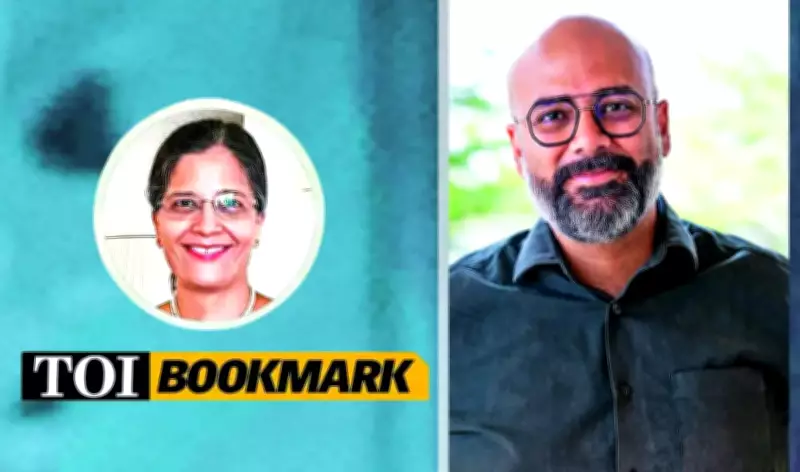
In a revealing interview, the author of the new book 'Meet the Savarnas' shares the deeply personal and academic motivations behind his work. Coming from an intercaste marriage between a Scheduled Caste mother and an OBC father, he grew up in Kolkata without a tradition of intergenerational literacy or what is often termed high culture. His family were immigrants from Punjab, exposing him to a world that felt foreign yet omnipresent.
The Inaccessible World of Savarnas and Academic Blind Spots
As he matured, he realized that the world around him, dominated by Savarnas, seemed larger and more intriguing, filled with discussions on books, art, and higher order things. In contrast, his own family's concerns were more mundane and existential. This disparity fueled his desire to escape and later understand the caste-coded politics of that world. He notes that Savarnas often decide what is legitimate, authentic, or fake, creating barriers he couldn't overcome.
Entering academia with a focus on cultural studies and anthropology, he observed a significant gap in research. While sociology and anthropology departments in India are rich with studies on Dalit, tribal, and OBC communities, there is a stark lack of anthropological work on Savarnas. He attributes this partly to inaccessibility; it's easier to research slums than gated communities in cities like Gurgaon or Bangalore.

Backlash and Determination to Shed Light on Caste Dynamics
More critically, he points to an academic blind spot where intellectuals and writers discuss caste without examining their own communities. This realization culminated in his writing, starting with articles for digital platforms, including a series loosely titled 'Like a Savarna'. One article, 'Dating like a Savarna', which explored caste overlaps in dating and intimacy, sparked a massive social media backlash, affecting his professional life and university position. This experience only strengthened his resolve to address this loaded conversation.
Navigating Challenges and Capturing Modern India's Trajectory
The book begins as a memoir, grounding his perspective, before expanding into social analysis. It covers the period from the late 1990s to around 2020-2022, a time when India was perceived as rising towards superpower status. He theorizes this through the concept of a glass floor, where the shining India story occurs above, inaccessible to those below. This narrative has costs, including career risks and targeting by right-wing groups.
Despite challenges, he has received understanding and love from some Savarnas, who engage in soul-searching after reading. The book aims to explain why India's story faltered, reproducing hyper-privilege enclaves while leading to unliveable cities, unworkable policies, and crises like climate change. It connects caste with policymaking and India's post-colonial tragedy, avoiding simplistic diagnoses of a broken system.
Addressing Caste in Knowledge Production and Society
He highlights the near absence of caste diversity in knowledge production and distribution, leading to misdiagnoses by well-meaning Savarna intellectuals. Caste is often viewed through oppression narratives, but he emphasizes the need to understand the Savarna system that mediates it, leaning on humor to address its pathos and absurdity. The book is an ode to societal dysfunctionality, hoping Savarnas see themselves better and understand the systems they've created.