Exhibition Highlights Plant Influence on Society
An ongoing exhibition in Bengaluru is making a bold statement: plants are not passive backdrops but active agents that shape politics, economies, and everyday life. Titled 'An Invitation to Pause,' the show comes at a time of rising climate anxiety and the rapid disappearance of urban greenery, offering a fresh perspective on the natural world.
Curatorial Vision and Key Themes
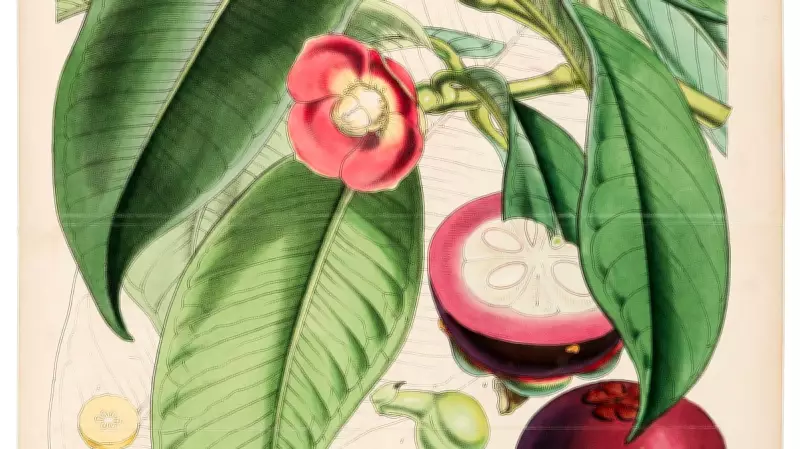
The exhibition, curated by Asra Mavad, features works that trace how botanical specimens have historically been used to assert colonial power, drive trade, and define cultural identities. For instance, rare prints from the 19th-century series 'Plantae Asiaticae Rariores' are displayed, showing how plants like Leicesteria formosa were catalogued by European botanists during colonial expeditions. These images, the curator notes, are not just scientific records but tools of empire.
Impact on Politics and Economy
According to Mavad, the exhibition demonstrates that 'plants actively shape politics, economies, and everyday life.' One section focuses on the spice trade, which fueled colonial expansion and global economic networks. Another looks at how urban trees are now central to climate policy debates, with cities like Bengaluru struggling to preserve green cover amid rapid development. The show includes data on Bengaluru's loss of tree cover, which has dropped from 68% in the 1970s to less than 15% today, according to local environmental groups.

Artistic Responses to Climate Anxiety
Contemporary artists in the exhibition respond to this ecological crisis. Installations use living plants, soil, and recycled materials to question humanity's relationship with nature. One piece features a time-lapse of a banyan tree reclaiming a concrete structure, symbolizing nature's resilience. Another uses audio recordings of plant growth, challenging viewers to consider plant sentience.
Call to Action for Urban Dwellers
The exhibition also serves as a call to action. Panels provide practical tips for urban gardening and native plant conservation. Mavad emphasizes that 'amidst climate anxiety and vanishing urban greenery, this exhibition proves that plants actively shape politics, economies, and everyday life.' Visitors are encouraged to reflect on their own consumption patterns and advocate for greener cities.
Exhibition Details
The show runs until 30 July 2026 at the Museum of Art and Photography (MAP) in Bengaluru. Entry is free on weekdays. Special guided tours are available on weekends. The exhibition has drawn praise from environmentalists and art critics alike for its interdisciplinary approach.