Bengaluru's Ramadan Evenings Illuminate with Food and Fellowship
As dusk settles over Bengaluru during the holy month of Ramadan, numerous neighborhoods across the city burst into life, transforming into bustling epicenters of culinary activity and communal joy. The resonant call to prayer at sunset signals the end of the daily fast, a period of abstaining from food and water, and almost immediately, the air becomes rich with the aromas of sizzling grilled meats, aromatic spices, and sweet desserts. This vibrant scene stretches from traditional Muslim enclaves to newer festival venues, encapsulating a month-long celebration that beautifully blends gastronomic indulgence with deep-rooted community bonds.
Iconic Iftar Hotspots and Street Food Extravaganzas
This year, popular destinations drawing crowds include Sheesh Mahal on Palace Grounds, the area near Empire in Koramangala, and the bustling Chandni Chowk zone in Shivajinagar. The iftar food streets stand out as the most iconic attractions, featuring rows of evening stalls that meticulously prepare dishes specifically for breaking the fast. Among the favorites is slow-cooked haleem, a hearty dish that captivates many, alongside skewers of seekh kebabs, boti kebabs, and malai tikka, all sizzling enticingly over charcoal grills. Vendors expertly flip baida roti, keema samosas, and crispy cutlets on large iron tawas, while offerings like biryani, mandi rice, khichda, and nalli nihari attract both devout fasters and curious food enthusiasts alike.
Farah Mubarak, a participant at the Sheesh Mahal Ramadan food festival, shared her empowering experience: "As a mother and homemaker often feeling confined at home, setting up a stall this year with homemade kebabs, cakes, sweets, and chocolates has been incredibly empowering for me and other women involved." Desserts play a crucial role in rounding out the iftar experience, with classics such as phirni, malpua with rabri, jalebi, and sheer kurma, complemented by Turkish delights like baklava and kunafa. Refreshing beverages like rose milk, known as mohabbat ki sharbaat, and lime soda are perennial favorites among visitors.

Expanding Community Engagement and Festival Organization
Ramadan food culture in Bengaluru has transcended traditional boundaries, attracting a diverse mix of visitors from all walks of life. Muyeen Wahab, organizer of the 20-day festival at Sheesh Mahal ending on March 19, emphasized inclusivity: "We welcome people from all communities. This festival, now in its second year, features stalls offering not just food but also fashion, jewellery, and homemade attar perfumes, with hundreds of stalls operating from 5 pm to 3 am." This festival has become the most sought-after event this year, providing organized stalls and expos under one roof. Wahab noted that while fasting is considered a healthy practice, stalls generally focus on indulgent delicacies, as people love to treat themselves after a day of abstinence.
In areas like Shivajinagar, Chandni Chowk, and Mosque Road, bustling Ramadan melas offer shawarma, kebabs, seafood dishes, and elaborate iftar platters alongside traditional fasting meals. Fahad, a vendor at the Shivajinagar mela, highlighted the demand: "It's a cherished tradition to set up stalls for everyone to enjoy delicious food and embrace the celebrations, with skewers being particularly popular." At Koramangala, haleem vendor Abdul explained their preparation routine: "We often cook meals before dawn and after 8 pm daily to ensure freshness, setting up stalls after breaking our own fast to serve the community."
Intimate Home Gatherings and Personal Touches
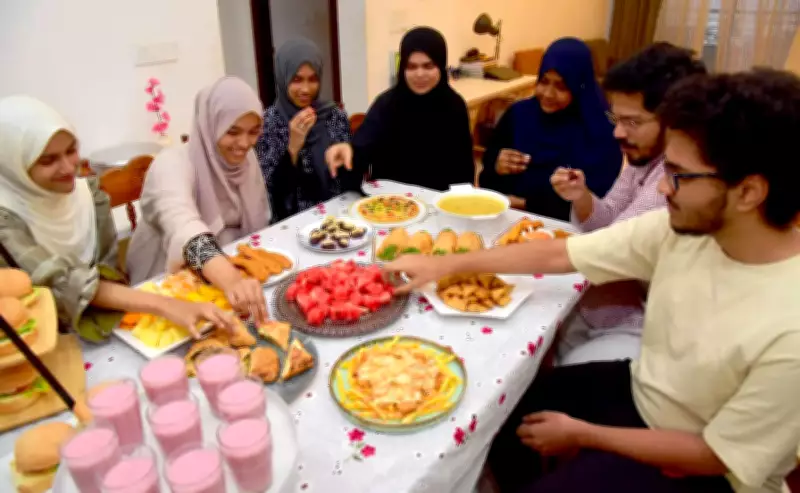
Beyond the vibrant street scenes, warm and cozy home gatherings to break the fast hold an equally cherished place in Ramadan traditions. Friends Shahista and Fathima Siraj curated a community iftar at home, designing a table with a refined, Pinterest-inspired aesthetic that blended elegance with warmth. Their spread included both vegetarian and non-vegetarian delicacies to foster inclusivity. Shahista explained: "More than just a dining experience, our gathering aimed to create a space where people from different backgrounds can connect, share moments, and celebrate the spirit of Ramadan together."

Tameena Ali, who recently attended house iftars lasting until 5 am, shared her perspective: "The food was mostly homemade with minimal catering, making house gatherings feel warm and personal, while street parties offer a more fun and lavish atmosphere." She also explored stalls in Frazer Town and Koramangala and engaged in shopping for accessories like rings, pendants, and earrings to complement her Eid outfits.
Diverse Crowds and Charitable Initiatives
What distinguishes Bengaluru's Ramadan scene is its incredibly diverse crowd, including tech workers stopping by after work, families enjoying evening outings, students, and tourists. The lively ambiance, filled with animated conversations, the clanging of ladles, and the glow of festive lights, evokes the enchanting feel of a street carnival.
Charity plays a pivotal role during Ramadan, with initiatives like the 'Irfan I Care Sehri Project' making a significant impact. Irfan Khan, 36, distributes 1,100 sehri boxes daily within a 14 km radius around Chickpet Metro Station, aided by 100 volunteers. These boxes, funded largely by contributions from relatives, are provided to patients and families in hospitals and people in paying guest accommodations. Similarly, a team led by Sadiq Rahmatullah distributes 500-600 sehri meals in areas including Shivajinagar, Ulsoor, Benson Town, and Vasanthnagar. Rahmatullah stated: "We provide sehri boxes with items like ghee rice, dal, vegetables, sometimes mutton biryani, raita, and occasionally a sweet—ensuring those fasting start their day with dignity."
Spiritual Reflections and Community Voices
Iftar gatherings are imbued with great spiritual significance, emphasizing sharing food, strengthening bonds, and remembering Allah together. Even simple acts like offering a date or water can yield immense rewards. Residents like Fayiza Sulaiha from Banashankari 3rd Stage reflect on the essence of iftar: "It means simply to break the fast, bonding over food, rituals, and conversation during Ramadan." Samrin Hoda from Frazer Town highlighted the support for homegrown entrepreneurs in their iftar, with dishes curated from local home-based food creators.
Sadiq Rahmathulla and his Shivajinagar team shared their charitable journey: "For the past five years, our small team has prepared and distributed Sehri meals nightly during Ramadan. What began as a modest effort has blossomed into a beautiful initiative, with many helping hands cooking, packing, and delivering 500–600 Sehri boxes daily across various neighborhoods. Seeing people begin their fast with a warm meal brings immense happiness, reminding us that small acts of kindness can make a meaningful difference."