As the vibrant festival of Pongal approaches, the first day, known as Bhogi, holds immense cultural and spiritual significance, particularly in South India. In 2026, the Bhogi festival will be observed on Tuesday, January 13. This day marks the commencement of the four-day-long harvest celebration, dedicated to Lord Indra, the god of rain, and is a time for purification and new beginnings.
Bhogi 2026: Exact Date and Muhurat Timings
The observance of Bhogi is determined by the solar calendar and coincides with the last day of the Tamil month of Margazhi. For the year 2026, the key timings for the Bhogi Sankranti moment are crucial for performing rituals. According to the Drik Panchang, the Bhogi Sankranti is at 8:31 PM on January 13. However, since this time falls after sunset, the main Bhogi puja and rituals are typically performed during the day, often in the morning. The Punya Kala, the most auspicious period, will be during daylight hours on the 13th.
The Profound Significance of Bhogi Festival
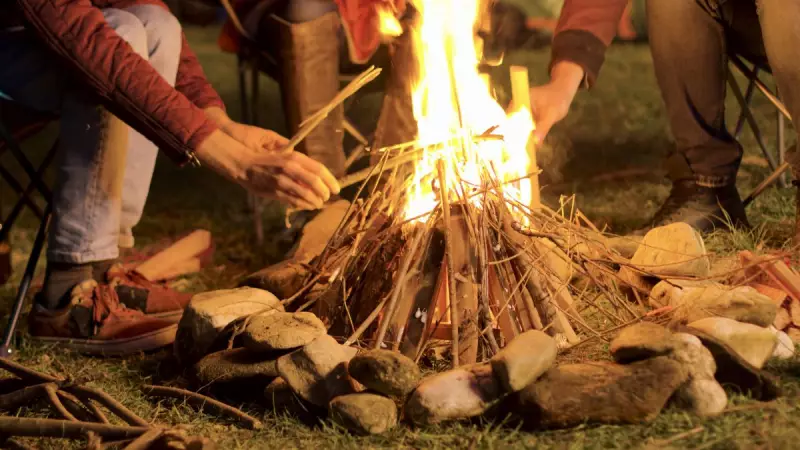
Bhogi is much more than just a prelude to Pongal; it is a festival rich in symbolism. It represents the discarding of the old and the ushering in of the new. The central ritual involves lighting a bonfire, known as the Bhogi Mantalu, using old household items, agricultural waste, and unwanted belongings. This act symbolizes letting go of past negativities, failures, and clutter to make way for prosperity, positivity, and fresh energy in the new year. The fire is also seen as a tribute to Agni, the fire god, and Lord Indra, seeking blessings for abundant rainfall and a bountiful harvest in the coming season.

Traditional Rituals and Celebrations of Bhogi
The day begins before sunrise with a thorough cleaning and decoration of homes. Doorways are adorned with fresh mango leaves and colorful Kolam or Rangoli patterns, often using rice flour and natural dyes. The highlight is the preparation of the Bhogi bonfire. Families gather to throw in old items, symbolizing the destruction of evil and impurity.
Special food is prepared for the day, with a focus on seasonal produce. While the elaborate Pongal dish is saved for the main day, on Bhogi, people often prepare Bhogi Pachadi, a concoction made from various seasonal ingredients representing different life experiences (sweet, sour, bitter, spicy). The day is also associated with worshipping cattle, which play a vital role in agriculture.
In many households, a ritualistic oil bath is taken, followed by prayers. New clothes are worn, and families come together to celebrate. It's a day of joy, where the community spirit shines brightly, and the warmth of the bonfire matches the warmth shared among loved ones. As we prepare for Bhogi 2026 on January 13, understanding these rituals deepens the connection to this ancient agrarian tradition, reminding us of the cyclical nature of life and the importance of gratitude and renewal.