

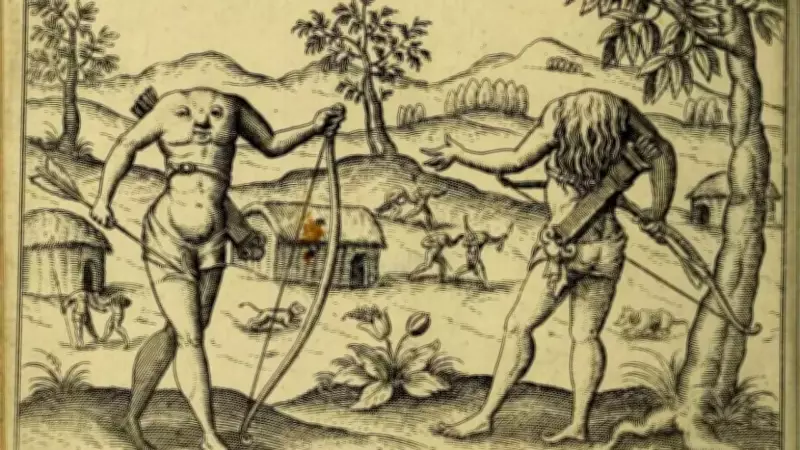
The Blemmyes: Unraveling the Myth of the Headless Men
The ancient world brimmed with bizarre creatures and legends, with the Blemmyes standing out as one of the most infamous. Historians such as Pliny the Elder and Herodotus documented these so-called 'headless' beings, describing them as inhabiting the Nubian deserts with human eyes and mouths positioned on their chests. This portrayal, perpetuated through medieval bestiaries, cast the Blemmyes as monstrous entities, but modern scholarship reveals a far more nuanced reality.
Historical Accounts and Misinterpretations
Herodotus is credited as the first to introduce the tale of headless men into Western literature, referring to them as 'akephaloi' and placing them in eastern Libya. Pliny the Elder later solidified this narrative by naming them 'Blemmyes' and detailing their headless anatomy. For centuries, explorers treated these accounts not as folklore but as biological facts, driven by fear of the unknown edges of the world. This cultural misunderstanding transformed a real desert culture into an imagined monster.
The Real Blemmyes: Nomadic Warriors of the Eastern Desert
Contrary to mythical depictions, the Blemmyes were a powerful nomadic ethnic group residing in the Eastern Desert, in areas now part of Sudan and Southern Egypt. Historical records, including those from the British Museum, indicate they posed a significant military threat to the Roman Empire. From the 3rd to 5th centuries CE, they frequently invaded the Roman province of Egypt, particularly Upper Egypt, with Thebes as its capital. Far from monsters, the Blemmyes were sophisticated enough to form a kingdom and negotiate treaties with Roman Emperors like Diocletian.

How Military Gear Fueled the Headless Myth
Recent research suggests that the 'headless' appearance originated from military camouflage and uniforms. Blemmyes warriors wore high-waisted garments and used large shields held close to their faces during battles. In the desert heat, with haze distorting vision, this setup could obscure the neck and head from a distance, creating the illusion of a headless being. This practical aspect of warfare likely contributed to the exaggerated myths spread by distant observers.
From Tribe to Global Monster in Art and Literature
The image of the Blemmyes evolved into a symbol of the exotic and dangerous in Western culture. According to the British Library, they featured in Mappa Mundi and bestiary illustrations as representations of outsiders and perils from unknown eastern and African territories. Works like the Nuremberg Chronicle and Sir Walter Raleigh's 1595 accounts, which mentioned 'men with eyes on their shoulders,' further cemented their monstrous reputation. This transformation highlights how misunderstandings about a real tribe spread across geographic distances, morphing into enduring legends of monsters.






