Long before the first motorable road reached the ancestral village in Uttarakhand, life moved at its own unhurried pace. Residents woke to the sound of cattle bells, the calls of villagers heading to the forests, and the patter of barefoot children on narrow stone-paved lanes. There was no electricity, no piped water, and no roads. Every morning, women walked to distant springs to fetch water in brass gagars, while evenings were lit by the dim glow of a dhibri oil lamp. Life was hard, but no one complained. Every family shared each other’s joys and sorrows, and the village stood together like one large family. Looking back, it becomes apparent that while comforts were lacking, the community was never poor in human relationships.
The Painful Flaw of Untouchability
Sadly, this warmth had one painful flaw. Untouchability, known locally as Chhuachhoot, was accepted as an unspoken part of life. Invisible borders were drawn across courtyards; certain neighbours were forbidden from crossing the threshold of ‘upper-caste’ homes. During communal feasts, seating arrangements became a map of segregation. According to Col Tirath Singh Rawat (retd), the author of this account, this was perhaps the result of generations of isolation and poor access to education rather than malice alone.
Then came the exodus. Migration, the silent predator of the hills, turned bustling courtyards into ruins. It began with the youth leaving for Delhi and Chandigarh, eventually pulling their families into the urban sprawl. For 30 years, the village thinned into a skeleton of its former self, leaving only the elderly to watch over the ‘ghost houses’. These remaining few guarded the old ways with a fierce, lonely rigidity.

A Grand Homecoming After a Quarter-Century
Recently, however, the silence was broken. The community organised a grand homecoming — a gathering that bridged a quarter-century gap. Many who had fled as restless youngsters returned with greying temples to witness a quiet, internal transformation. It was not a revolution sparked by the returning youth; rather, a profound shift had matured within the villagers themselves. They had, of their own volition, outgrown the heavy chains of the past.
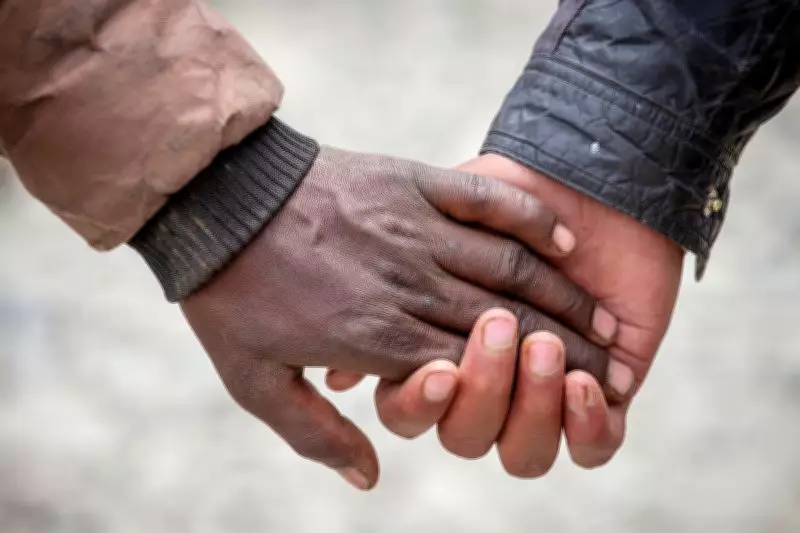
During a get-together at Col Rawat's home, to which the entire village was invited, he watched in awe as caste boundaries vanished among those who had once followed them with unwavering conviction. The elders discarded their prejudices so completely that not a single shard of the old segregation remained.
Witnessing the Thaw
They sat together, sharing snacks and gossiping without a shred of hesitation. The invisible walls that had stood for centuries seemed to have crumbled under the weight of time and newfound collective wisdom. “I was thrilled to witness this profound change; it was a sight I once thought unimaginable,” Col Rawat recalled.
As roads have finally reached these remote hills, they seem to have opened pathways of thought as well. In these villages, long defined by rigid customs, a new understanding is emerging — one that places dignity and equality above inherited divisions. It is a thaw worth emulating far beyond the hills.
Lessons from the Himalayas
The transformation in this Uttarakhand village is a powerful reminder that social change can occur organically, without external force. It demonstrates that even deeply entrenched prejudices can be overcome through shared experiences and the passage of time. The return of the diaspora may have triggered the gathering, but the real change came from within — a quiet revolution of the heart.
Col Tirath Singh Rawat, who served in the Corps of Engineers, offers this personal narrative as a testament to the resilience of human spirit and the possibility of a more inclusive society. His story is not just about one village in the Himalayas; it is a beacon for communities everywhere struggling with the legacy of division.