From Satyagraha to Spiritual Marvel: Champaran's New Claim to Fame
Champaran, eternally enshrined in Indian history as the birthplace of Mahatma Gandhi's first successful satyagraha movement, has now carved a new identity for itself in the spiritual realm. This historic district in Bihar has become home to what is being hailed as the world's tallest monolithic Shivling, transforming the landscape and drawing devotees from across the nation.
A Monumental Spiritual Installation
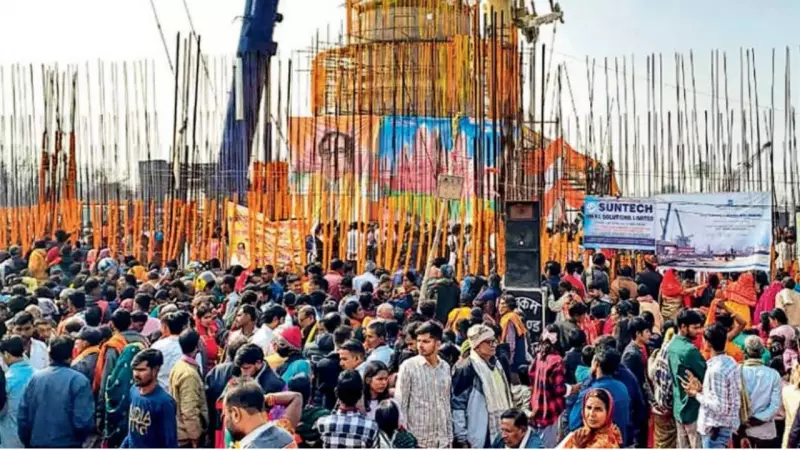
The massive black granite Shivling, ceremoniously installed on January 17 at Kaithwalia village along the Kesaria-Chakia highway in East Champaran, has already begun attracting a steady stream of visitors. This spiritual magnet stands as an impressive 33 feet in both height and circumference, weighing a staggering 210 tonnes. What makes this installation particularly remarkable is its status as part of the upcoming Viraat Ramayan Temple complex, which temple officials claim will eventually become the world's tallest temple structure.
Engineering Marvel and Artistic Triumph
The creation of this monumental Shivling represents a triumph of both engineering and traditional craftsmanship. Carved from a single block of premium black granite sourced from Mahabalipuram in Tamil Nadu, the project began with stone selection back in 2014. According to Vinayaka Venkatraman, whose company undertook the carving, the original granite block weighed an incredible 354 tonnes before artisans began their meticulous work.

"We specifically chose granite from Tirunelveli in Tamil Nadu because it offered a single block of the finest quality material available," explained Venkatraman. "The carving process itself spanned nearly three years, with 25 to 30 skilled artisans working in shifts for nine to ten hours daily to complete this spiritual masterpiece."
Epic Journey to Its Spiritual Home
The transportation of this massive Shivling from Pattikadu to its final resting place in Champaran constituted an epic journey in itself. Transported on a specially designed truck during the first week of January, the sacred structure traveled 2,565 kilometers over 45 days before reaching its destination. This logistical feat mirrors the spiritual significance attributed to the location by temple authorities.
Mayankeshwar Singh, a member of the temple construction committee, shared the mythological connection: "It is believed that Lord Rama's wedding procession stopped overnight at this very spot while returning from Janakpur to Ayodhya after his marriage to Sita. The temple is being constructed along what is traditionally known as the Ram-Janaki Path, adding to the site's spiritual significance."
Economic Renaissance and Regional Development
The economic impact of this spiritual installation is already visibly transforming the local landscape. Temporary stalls selling flowers, sweets, and puja materials now line the approach road to the Shivling, creating new entrepreneurial opportunities for residents. Local priests have reported significant increases in their daily earnings, with many experiencing unprecedented financial stability.
Chunnu Dubey, one such priest, expressed his gratitude: "I am now earning approximately Rs 2,000 to Rs 2,500 daily through ritual guidance and blessings. Previously, at my village temple, I barely managed to earn Rs 5,000 over an entire month. This installation has truly transformed our economic circumstances."
Broader Spiritual Renaissance in Bihar
The spiritual momentum extends beyond Champaran's borders. Nearby Sitamarhi district, traditionally considered the birthplace of Goddess Sita, is preparing to host a grand temple complex at Punaura Dham. Union Home Minister Amit Shah performed the bhoomi pujan ceremony at this site in August last year, with the project expected to span more than 68 acres upon completion.
This convergence of historical significance, spiritual devotion, and economic development marks a new chapter for the region. As Champaran transitions from its historical association with Gandhi's satyagraha to becoming a major pilgrimage destination, the world's tallest monolithic Shivling stands not just as a religious symbol, but as a catalyst for regional transformation and spiritual renaissance in contemporary India.