

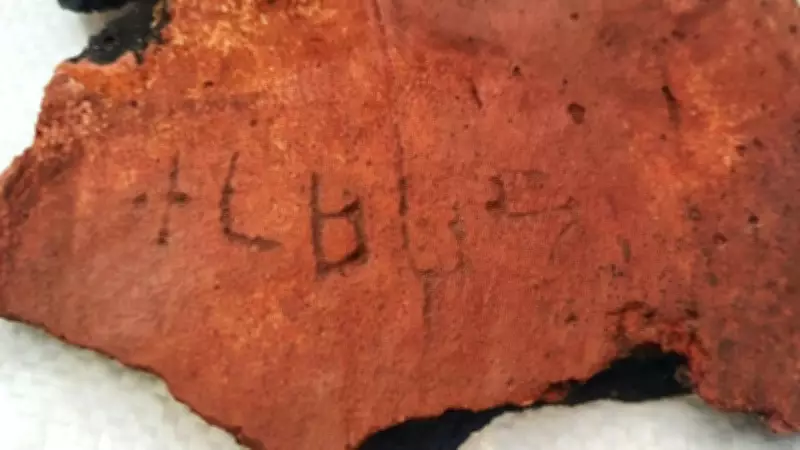
ASI Unearths Chera-Era Potsherd with Tamil-Brahmi Inscription in Tirupur District
In a significant archaeological discovery, the Archaeological Survey of India (ASI) has excavated a potsherd dating to the Chera period at the Kumarikkalpalayam site in Tirupur district, Tamil Nadu. The clay pot fragment bears a Tamil-Brahmi inscription reading 'Irumpurai', which is a title historically associated with the Chera kings.
Historical Significance and Dating
Based on paleographic analysis, the five-character inscription has been dated to the period spanning from the late 1st century BCE to the early 1st century CE. This places the artifact squarely within the early historic era of South India, offering a tangible link to the Chera dynasty's influence in the region.
The potsherd belongs to a storage jar from the 'black-and-red ware' pottery tradition, a hallmark of Iron Age and early historic cultures in peninsular India. This discovery not only confirms the presence of Chera authority but also provides insights into the material culture and daily life of that time.

Excavation Site Details
ASI initiated excavations at the Kumarikkalpalayam site in February of this year. Located in agricultural fields within Uthukuli taluk, the site is part of a major habitation zone that dates back to the Iron Age and the Early Historic Period. The area features a large habitation mound and an associated Megalithic burial complex, indicating prolonged human settlement and complex social structures.
The administrative centre of the Chera dynasty was in the Karur region, approximately 95 kilometres from the excavation site. This proximity strongly suggests that the Kumarikkalpalayam area was under Chera dominion during the period in question, reinforcing historical narratives of their territorial expanse.
Additional Findings and Broader Implications
Beyond the inscribed potsherd, the excavation has yielded various types of pottery, including red-slipped ware, black-and-red ware, and russet-coated ware. These artifacts collectively shed light on the lifestyle, trade networks, and cultural practices of the ancient inhabitants.
The ongoing excavations are expected to uncover further significant information regarding the ancient history of the Tamils, potentially reshaping our understanding of early South Indian civilizations. Each layer of soil removed brings archaeologists closer to piecing together the puzzle of this region's past.
About the Author: Anushka Juliet covers urban development, civic issues, infrastructure projects, and local community news in Coimbatore, bringing a keen eye to stories that connect the present with the historical roots of the region.






