Dhanbad's Tilakut Sweet Demand Skyrockets on Makar Sankranti Eve
The eve of Makar Sankranti brought a sweet frenzy to Dhanbad. Demand for tilkut, the traditional sesame and jaggery sweet, soared dramatically across the city. Buyers flocked to stores in large numbers, creating long queues and bustling markets.
Artisans Work Tirelessly to Meet Festive Rush
Sweet shops in the Hirapur Telipara area, famous for their confectioneries, operated at full capacity. Skilled artisans from Chatro in Giridih district arrived days before the festival. These craftsmen brought generations of expertise in tilkut-making to Dhanbad.
Mukesh Kumar Hajra, a prominent tilkut manufacturer, explained the scale of operations. "We follow traditional methods completely," he said. "Fourteen experienced artisans are working round the clock this year. Each has dedicated years to perfecting this craft."

The production numbers tell their own story. Approximately four quintals of tilkut leave these workshops daily. This massive output aims to satisfy the intense festive demand.
Pricing and Preparation Details
Customers can choose between two main varieties. Jaggery tilkut currently sells for 280 to 300 rupees per kilogram. The sugar version costs slightly less at 260 to 280 rupees per kilogram.
Raw materials travel quite a distance before becoming sweets. Sesame seeds and other ingredients come all the way from Kanpur in Uttar Pradesh. This ensures quality and authenticity in every batch.
Vinod Kumar, a veteran with over two decades of experience, described the labor-intensive process. "Making tilkut demands tremendous hard work," he shared. "We start early and finish late. Our days involve roasting sesame seeds, preparing jaggery or sugar syrup, then pounding the mixture on stone slabs. Shaping requires precision and strength."
Cultural Significance and Seasonal Rhythm
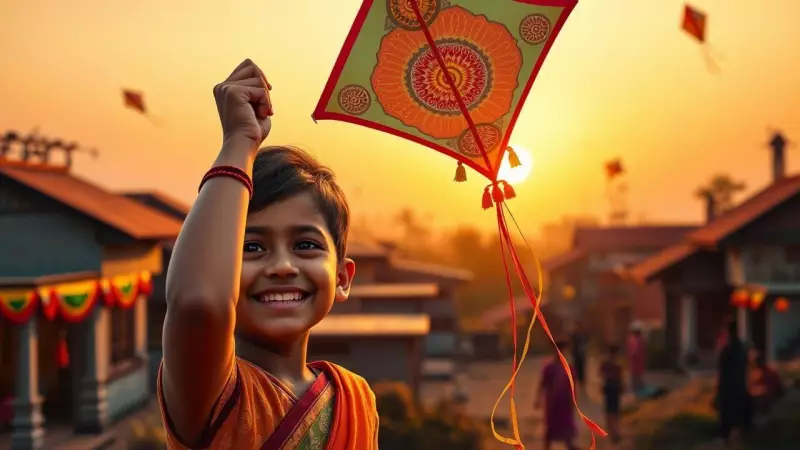
Hajra highlighted the deeper meaning behind the sweet. "Tilkut represents more than just a treat," he emphasized. "It carries cultural and traditional importance for Makar Sankranti. The sweet symbolizes warmth, togetherness, and prosperity during this festival."
The artisans follow a seasonal pattern. After Makar Sankranti concludes, all craftsmen return to Giridih. They resume their regular occupations until the next festive season calls them back to Dhanbad.
This annual migration of skilled workers ensures that traditional knowledge passes through generations. It also guarantees that Dhanbad residents receive authentic tilkut made with time-honored techniques every Makar Sankranti.