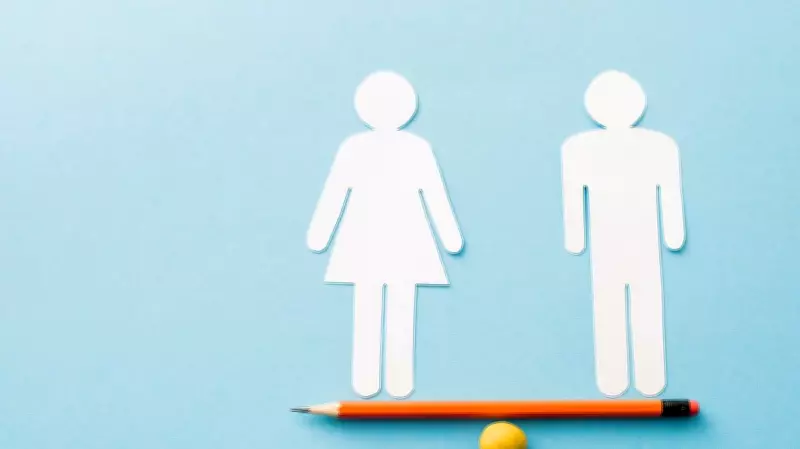
Equal at Home: Rewriting Gender Roles in Modern Indian Households
A recent editorial has sparked a crucial conversation about the evolving landscape of gender roles within Indian households, emphasizing a significant shift towards greater equality in domestic responsibilities. This transformation is not merely a trend but a profound societal change that is reshaping family dynamics and challenging traditional norms.
The Changing Face of Domestic Responsibilities
Historically, Indian households have often been characterized by rigid gender divisions, with women predominantly shouldering domestic chores such as cooking, cleaning, and childcare, while men focused on external work and financial provision. However, this paradigm is undergoing a remarkable transformation. Increasingly, men are actively participating in household tasks, from meal preparation and laundry to nurturing children and managing daily errands.
This shift is driven by various factors, including the rise of dual-income families, where both partners contribute financially, necessitating a more balanced approach to home management. Additionally, changing societal attitudes and greater awareness of gender equality have encouraged men to embrace their roles within the home, fostering a more collaborative and supportive environment.

Impact on Family Dynamics and Societal Norms
The rewriting of gender roles has profound implications for family dynamics. When domestic responsibilities are shared equitably, it reduces the burden on women, allowing them to pursue careers, education, and personal interests more freely. This, in turn, promotes mental well-being and strengthens marital relationships, as partners work together as a team rather than adhering to outdated stereotypes.
Moreover, this change is influencing broader societal norms. As children observe their parents sharing household duties, they internalize values of equality and cooperation, potentially leading to a more progressive future generation. It challenges deep-seated cultural beliefs and encourages a reevaluation of what it means to be a man or a woman in contemporary India.
Challenges and the Path Forward
Despite these positive trends, challenges remain. In many households, traditional expectations persist, and women may still face pressure to prioritize domestic roles over professional ambitions. Societal stigma can also deter men from fully engaging in tasks perceived as "feminine," highlighting the need for continued advocacy and education.
To sustain this momentum, it is essential to promote policies that support work-life balance, such as flexible working hours and parental leave for both genders. Public awareness campaigns and media representation can further normalize shared domestic responsibilities, encouraging more families to adopt equitable practices.
In conclusion, the movement towards rewriting gender roles in Indian households represents a significant step towards equality and harmony. By embracing change and fostering mutual respect, families can create a more balanced and fulfilling home life, setting a powerful example for society at large.