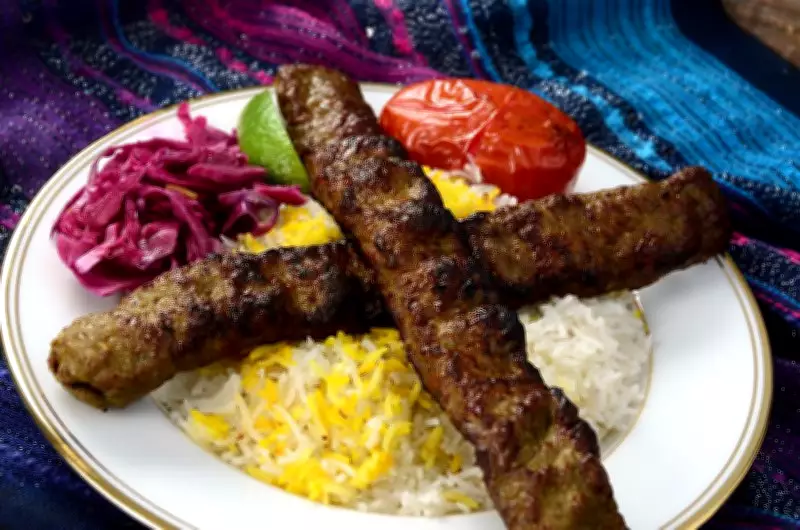
Iranian cuisine is celebrated for its subtlety, relying on a handful of spices to create deeply flavorful dishes. Unlike many cuisines that layer bold flavors, Iranian cooking often uses just a few key ingredients like saffron, cumin, turmeric, and sumac to achieve its distinctive taste. The national dish, chelow kebab, exemplifies this approach: fragrant steamed saffron rice (chelo) is served alongside juicy grilled skewers of meat kebab.
Personal Memories of Iranian Food
Food critic Rahul Verma recalls a friend who hitchhiked from India to Europe in the 1970s and brought back a recipe for an Iranian rice dish with chicken, nuts, and raisins. That dish became a favorite among their group. Today, Verma misses both his friend and that delightful chicken pilaf. He also remembers Iranian friends studying in India during the Shah regime, though political discussions often overshadowed conversations about food.
Another introduction to Iranian cuisine came through Kolkata's Peter Cat restaurant, famous for its chelo kebab. Initially skeptical, Verma grew to enjoy the fragrant rice served with seekh kebabs and tikkas.

Iranian Cuisine's Regional Links
Iran's cuisine shares connections with Central Asia, Greece, Turkey, Russia, and the Levant. In India, Irani cafes are found in some cities, but authentic Iranian food is not widely available. Parsi cuisine, which shares a legacy with Iran, offers dishes like berry pulao, which is similar to Iran's zereshk polo. Zereshk polo is a long-grain rice dish cooked with saffron, nuts, and sauteed barberries (zereshk), which add a sweet and tart flavor.
Key Ingredients and Dishes
Iranian cooking emphasizes subtlety: saffron threads provide color and aroma, cumin and turmeric are basic spices, while sour lime and sumac add tang. Pomegranate seeds and walnuts are used for texture and taste, and fruits often lend sweetness. Fesenjan, a slow-cooked khoresh (stew), combines minced meat with pomegranate molasses and walnuts, served over rice.
Verma recently stumbled upon a television show depicting an elaborate Iranian feast, with massive cauldrons of meat, vegetables, and rice being prepared. The sight of pristine white tables waiting for the dishes evoked a sense of invitation, even from miles away.
Iranian cuisine, with its delicate balance of flavors, remains a rich and aromatic tradition that continues to captivate food lovers worldwide.