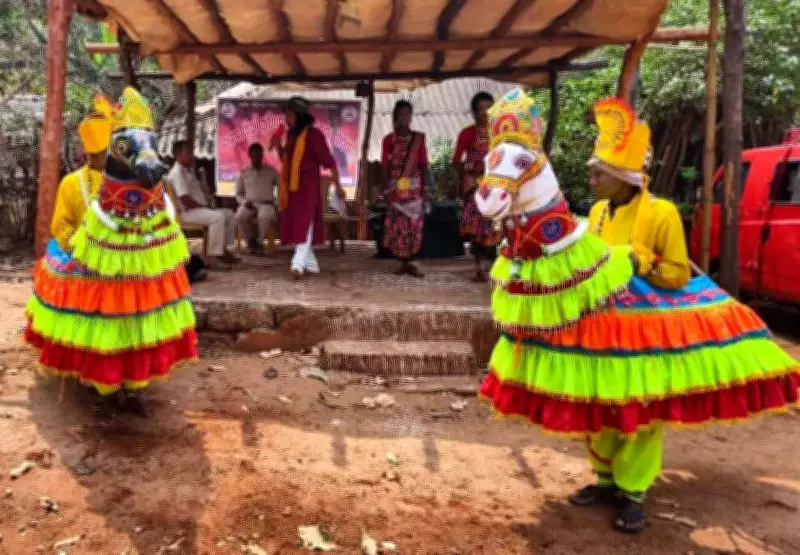
Ghoda Nacha: A Fading Cultural Gem in Odisha's Kendrapada District
The vibrant and colorful Ghoda Nacha folk dance, once a cornerstone of cultural celebrations in the Kendrapada district of Odisha and its surrounding regions, now stands at a critical juncture. This traditional art form, featuring dancers adorned in elaborate dummy horse frames, has historically been performed by local fishermen during the Chaitra Purnima festival in March-April as part of the broader Chaiti Ghoda festivities. However, the relentless march of modern entertainment is pushing this ancient tradition to the brink of extinction.
The Erosion of Traditional Entertainment
Maheswar Behera, a 58-year-old acclaimed performer from Gandhakhia village, voiced a common concern among artists. "Ghoda Nacha has long served as the primary medium of entertainment during festive occasions in rural areas, but it is no longer in high demand due to the widespread adoption of television, internet, and cellphones," he explained. Expressing deep apprehension about the potential disappearance of this folk form, Behera noted that performances are now limited to certain religious festivals and government-sponsored events, a stark reduction from its former prominence.
Artistic Elements and Economic Realities
Typically, Ghoda Nacha involves two performers who dance and sing in sync with the rhythmic beats of drummers over a two-hour spectacle. Basudev Das, a local researcher from Kendrapada, highlighted that the artisans skillfully bring to life characters from Hindu mythology, such as Lord Krishna and Radha, alongside various social themes. Despite its cultural richness, the economic viability of Ghoda Nacha is precarious. Bhagawan Behera, a 32-year-old performer from Jadupur village, revealed, "We charge approximately Rs 3,000 to Rs 5,000 for a dance show, but this income is insufficient to sustain a livelihood."

Generational Disinterest and Survival Struggles
Narendra Behera, a 60-year-old performer, lamented the declining interest, stating, "Nowadays, nobody is interested in listening to the melodious voices or enjoying the dance. It is a tragedy that the new generation lacks enthusiasm for Ghoda Nacha, placing this ancient form of entertainment on the verge of extinction." This sentiment is echoed by Pabitra Mohan Behera, a 60-year-old artist from Kansar village, who pointed out the financial hardships: "It is difficult to make ends meet solely through this dance. The earnings are too meager, leading many performers to abandon the art for other trades."
Seasonal Dependence and Government Support
Ajaya Behera, a 67-year-old fisherman from Shyamsundarpur, emphasized the seasonal nature of their income, noting, "We eagerly await Chaitra Purnima to earn more money, as demand peaks during this period." In response to these challenges, the district administration has initiated measures to support the artists. Tribhuban Jaisingh, the district culture officer, explained, "We provide pensions to numerous Ghoda Nacha performers under the Mukhyamantri Kalakar Sahayata Yojana (MKSY) and frequently invite them to perform at government functions." He added that recent collaborations, such as with the forest department to raise awareness about human-animal conflicts and forest fires through Ghoda Nacha performances, demonstrate ongoing efforts to integrate the art into contemporary contexts.
The Path Forward for Ghoda Nacha
While a few dedicated performers continue to practice and preserve Ghoda Nacha, the overall outlook remains uncertain. The combination of dwindling audience interest, inadequate financial returns, and the allure of modern digital entertainment poses significant threats. Without sustained intervention and increased community engagement, this unique cultural heritage of Odisha risks fading into obscurity, leaving future generations without a vital link to their artistic past.