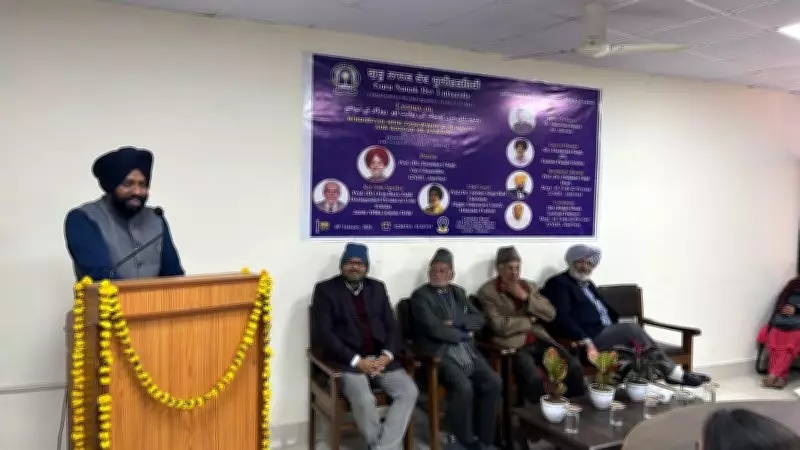
GNDU Amritsar Hosts Insightful Lecture on Sufism and Urdu's Intertwined Origins
A recent academic event at Guru Nanak Dev University (GNDU) in Amritsar provided a deep dive into the historical nexus between Sufism and the Urdu language, shedding light on their symbiotic development in the Indian subcontinent. The lecture, which attracted scholars and students, explored how these two cultural forces evolved together, influencing each other profoundly over centuries.
Unpacking the Historical Context
The session delved into the genesis of Urdu, tracing its roots to the medieval period when it emerged as a lingua franca in regions like Delhi and the Deccan. Experts highlighted that Sufi saints played a pivotal role in this process, using Urdu to spread their spiritual messages and connect with diverse communities. This interaction not only enriched the language but also infused it with poetic and philosophical depth, making it a vehicle for cultural exchange.
Key Themes Discussed
During the lecture, several critical aspects were covered:

- Linguistic Evolution: How Urdu incorporated elements from Persian, Arabic, and local dialects, facilitated by Sufi traditions.
- Cultural Syncretism: The way Sufism promoted unity and tolerance, which mirrored in Urdu's inclusive vocabulary and literature.
- Historical Impact: Examples from Mughal and post-Mughal eras where Sufi poets and scholars contributed to Urdu's literary canon.
Speakers emphasized that this relationship was not one-sided; as Urdu grew, it provided a medium for Sufi thought to reach wider audiences, creating a feedback loop of mutual enhancement.
Academic and Cultural Significance
The event underscored the importance of such interdisciplinary studies in understanding South Asia's rich heritage. By examining the symbiotic rise of Sufism and Urdu, the lecture aimed to foster greater appreciation for the region's pluralistic traditions. It also sparked discussions on how these historical insights can inform contemporary dialogues on language and identity in India.
Overall, the GNDU lecture served as a reminder of the enduring legacy of Sufism and Urdu, highlighting their role in shaping the cultural and linguistic landscape of Amritsar and beyond.