The Journey of Goddess Lairai and Her Siblings from Chorla Ghat to Goa
In the rich tapestry of Goa's cultural and religious heritage, the folk goddess Lairai and her seven siblings hold a revered place, though their origins in the Chorla Ghat region of Karnataka remain lesser-known. These deities have profoundly influenced the socio-religious life of Goans, with their migration story weaving through mythology and local traditions.
The Mythological Migration Path
According to ancient lore, Lairai and her siblings embarked on a journey from Chorla Ghat, riding on the back of the Airavat elephant. They first reached Morle and then entered Maulingem in Bicholim via Girode. Sagar Parwar from Maulinge shared with TOI, "At the entrance of our village via Kudchire from Maharashtra, there is a sacred tank where Lairai and her siblings took refuge before proceeding to Bicholim." Upon approaching Shantadurga, the presiding deity of Bicholim town, they were directed to Vandyar in Mayem. It was here that the elephant breathed its last, and a laterite-carved sculpture of the elephant now stands as a sacred shrine.
Temples and Worship Across Goa
The legacy of these deities is enshrined in various temples across Goa:

- At Kelbaiwada in Mayem, devotees established the Kelbai temple, with a nearby shrine dedicated to Shitaladevi.
- Mulgao hosts the temple of Kelbai (Mhamai).
- Morjim is home to the Morjai temple.
- Our Lady of Milagres in Mapusa is believed to be associated with Mirabai.
- Ajadeepa's temple is said to have been located on Anjadiv island in Canacona.
- Lairai herself is worshipped in Shirgao, where she holds immense socio-cultural and religious importance.
- Their only brother, Khetoba, has a temple at Vaiguinim in Bicholim.
Sarojini Gaonkar, a folklorist from Sanquelim, emphasized, "Today, these seven sisters and their brother command respect and honour across Goa and beyond as benevolent deities, blessing devotees with peace, prosperity, and happiness in their lives and livelihoods."
Cultural Significance and Modern-Day Devotion
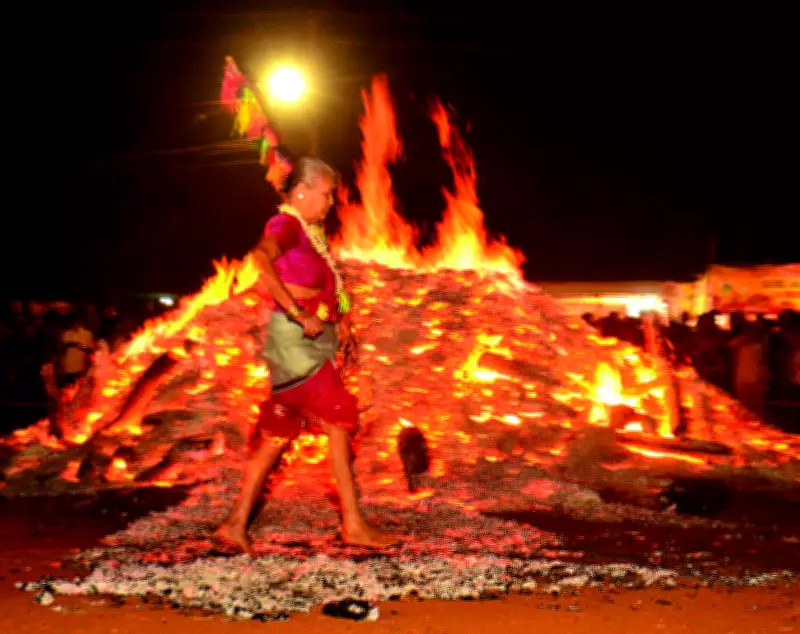
Shubhda Chari, a folk researcher from Sal in Bicholim, highlighted the enduring impact of these deities. "As per prevailing folk tradition, Lairai and her siblings migrated from the Chorla Ghat region and have played a significant role in enriching the cultural and socio-religious life of Goans from the pre-Portuguese period to this day." Today, tribal and non-tribal devotees come together, setting aside differences, to participate in religious and cultural practices. This unity culminates in the annual fair on April 21, which attracts one of the largest gatherings of devotees in Goa, showcasing the deep-rooted devotion and communal harmony fostered by these folk deities.