Gudi Padwa 2026: A Comprehensive Guide to the Marathi New Year
Gudi Padwa, also known as Samvatsar Padvo, is a significant Hindu festival that heralds the beginning of the Marathi New Year. In 2026, this auspicious occasion will be celebrated on Wednesday, March 18. This festival is primarily observed in the states of Maharashtra and Goa, as well as by Marathi communities worldwide, symbolizing the onset of spring and the harvest season.
Gudi Padwa 2026 Date and Muhurat Timings
The date for Gudi Padwa is determined based on the lunisolar Hindu calendar, specifically the first day of the Chaitra month. For 2026, the festival falls on March 18. According to astrological calculations, the Pratipada Tithi (first lunar day) begins at 10:29 PM on March 17, 2026, and concludes at 08:08 PM on March 18, 2026. The most auspicious time, or muhurat, for performing Gudi Padwa rituals is during the Madhyahna period, which is from 12:06 PM to 12:38 PM on March 18. Devotees are advised to conduct prayers and hoist the Gudi within this timeframe to maximize spiritual benefits.
Rituals and Traditions of Gudi Padwa
The celebration of Gudi Padwa involves a series of traditional rituals that hold deep cultural and religious significance. Key practices include:

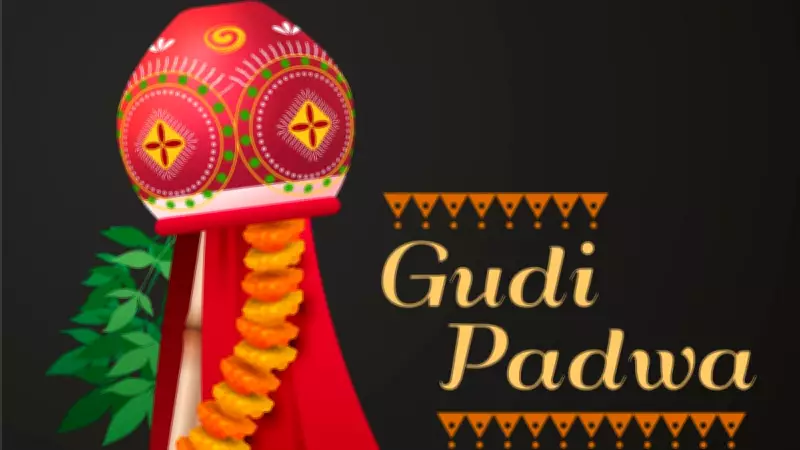
- Hoisting the Gudi: A bamboo stick is adorned with a bright cloth, neem leaves, mango leaves, and a garland of flowers. A silver or copper pot is placed inverted on top, symbolizing victory and prosperity. This Gudi is then hoisted outside homes, typically on the right side of the entrance.
- Rangoli and Decorations: Intricate rangoli designs are created at the entrance of houses using colored powders, flowers, and rice flour to welcome positivity and ward off evil.
- Special Prayers and Puja: Families gather to perform puja, offering prayers to Lord Brahma, the creator, and seeking blessings for a prosperous new year. Mantras and hymns are chanted to invoke divine energy.
- Traditional Attire and Feasts: People dress in new clothes, often in traditional Maharashtrian attire like sarees and dhotis. A festive meal is prepared, featuring delicacies such as puran poli (sweet flatbread), shrikhand (sweetened yogurt), and puranachi poli.
- Community Gatherings: In many regions, processions and cultural events are organized, showcasing folk dances, music, and dramas that highlight the rich heritage of Maharashtra.
Significance and Cultural Importance
Gudi Padwa is not just a New Year celebration but a festival imbued with historical and mythological importance. It is believed to commemorate the day when Lord Brahma created the universe, marking the start of Satyug (the age of truth). Additionally, it is associated with the victory of Maratha warrior king Chhatrapati Shivaji Maharaj, symbolizing triumph and resilience. The festival also aligns with the agricultural cycle, as it coincides with the harvest of Rabi crops, making it a time of gratitude and abundance for farmers.
In contemporary times, Gudi Padwa serves as a reminder of cultural identity and unity among Marathi people. It promotes values of renewal, hope, and community bonding, with families coming together to celebrate and plan for the year ahead. The rituals are passed down through generations, preserving ancient traditions in a modern context.
As Gudi Padwa 2026 approaches, preparations are underway across Maharashtra and beyond. From cleaning homes to shopping for new items, the festival fosters a sense of joy and anticipation. Whether you are observing it for spiritual reasons or cultural pride, understanding the date, muhurat, and rituals can enhance your celebration, ensuring a harmonious and prosperous start to the new year.