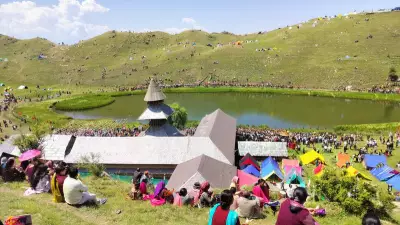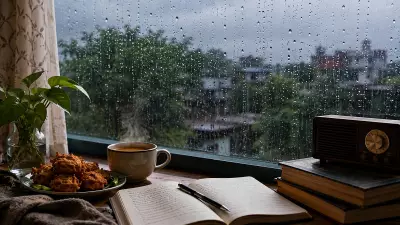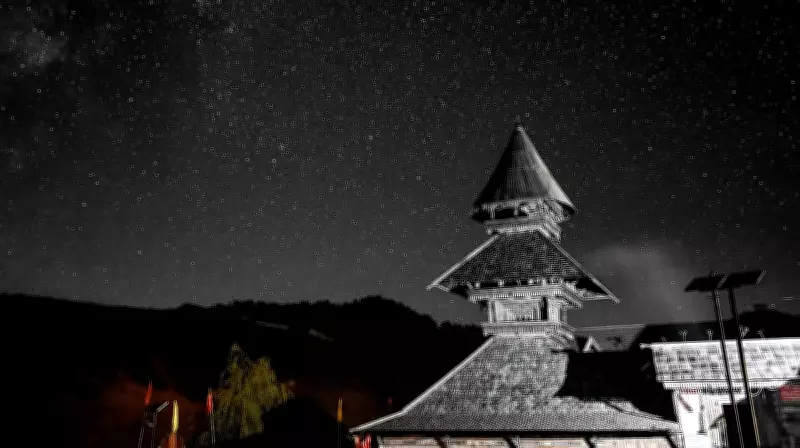
Himachal Pradesh has been dubbed India's 'sleeping state,' a phrase that captures the region's calm rhythm where the age-old adage 'early to bed and early to rise' still blends naturally into the daily lives of most locals. According to a report by DH Online, this characterization highlights a lifestyle that stands in contrast to the bustling, late-night cultures prevalent in many other parts of the country.
What Makes Himachal Pradesh the 'Sleeping State'?
The term 'sleeping state' does not imply lethargy but rather a cultural preference for early hours. In Himachal Pradesh, shops and markets typically close by 8 PM, and streets grow quiet soon after. Locals prioritize sleep and early morning routines, a tradition rooted in the state's agrarian economy and cold climate. The report notes that this practice is not enforced but emerges naturally from the community's values.
Impact on Daily Life and Tourism
This early-to-bed culture affects tourism, as visitors often find limited nightlife options. However, it offers a unique appeal for those seeking tranquility. The state's scenic beauty, including hill stations like Shimla and Manali, becomes a backdrop for a relaxed pace of life. Locals report better health and productivity due to consistent sleep patterns, according to the report.

While no specific statistics are provided, the article suggests that a majority of residents adhere to this schedule, making it a defining characteristic of the region. The trend has also caught attention on social media, with many praising the state's focus on well-being over late-night activities.
Cultural and Economic Factors
Himachal Pradesh's geography and economy play key roles. With many residents engaged in agriculture and tourism, early rising aligns with work demands. The cold climate further encourages early indoor hours. The report quotes a local resident saying, 'Here, we value our sleep and mornings. It keeps us healthy and connected to nature.' This sentiment echoes across communities.
Despite modernization, the tradition persists. Younger generations, though exposed to urban lifestyles, often retain the habit. The state government has not officially endorsed this label, but it has become a point of pride for many. The 'sleeping state' moniker thus serves as a gentle reminder of the benefits of a balanced life.