Holika Dahan 2026: Unveiling the Spiritual Significance and Rituals
Holika Dahan, a pivotal prelude to the vibrant festival of Holi, is set to be observed on March 2, 2026, marking a time of profound spiritual reflection and renewal. This ancient ritual, deeply rooted in Hindu mythology, symbolizes the triumph of good over evil, as commemorated through the legendary tale of Prahlad and Holika. As devotees prepare for this sacred event, understanding its spiritual meaning and the traditional offerings involved becomes essential for a meaningful celebration.
The Spiritual Meaning of Holika Dahan
Holika Dahan holds immense spiritual significance, representing the victory of devotion and righteousness over malevolence and arrogance. According to Hindu scriptures, the demon king Hiranyakashipu, granted a boon of near-immortality, sought to eradicate devotion to Lord Vishnu. His son, Prahlad, remained a steadfast devotee, leading to Hiranyakashipu's sister, Holika, attempting to burn Prahlad in a pyre. However, due to Prahlad's unwavering faith, he emerged unscathed while Holika perished, illustrating the power of divine protection and moral integrity.
In 2026, this ritual serves as a reminder to shed negative traits—such as ego, greed, and hatred—and embrace positivity, compassion, and spiritual growth. Experts emphasize that Holika Dahan is not merely a symbolic act but a transformative practice that encourages inner purification and alignment with higher virtues. By participating in the rituals, individuals seek blessings for health, prosperity, and protection from adversities, fostering a sense of community and shared cultural heritage.

Traditional Offerings for Holika Dahan 2026
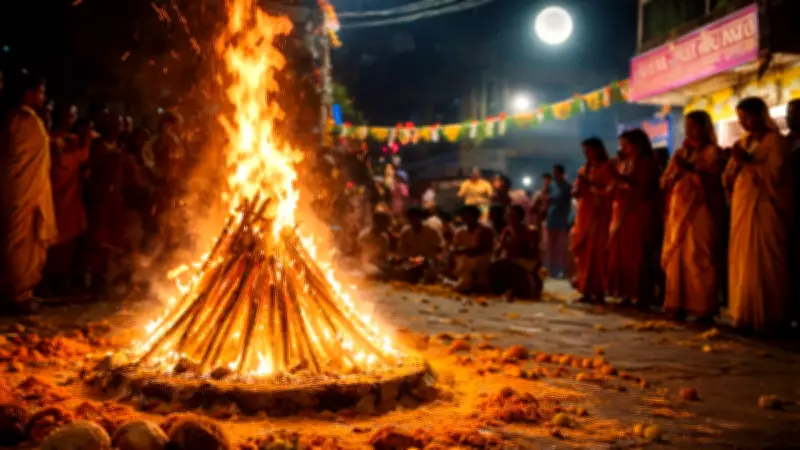
Offerings play a crucial role in Holika Dahan, enhancing the spiritual efficacy of the ceremony. Devotees typically gather dry wood, cow dung cakes, and ghee to construct the pyre, symbolizing the burning of impurities. Key items to offer include:
- Grains and Lentils: Rice, wheat, and moong dal are commonly offered to invoke abundance and nourishment.
- Sweets and Fruits: Items like jaggery, coconut, and seasonal fruits represent sweetness and prosperity in life.
- Sacred Herbs: Neem leaves and flowers are added for their purifying properties, believed to ward off negative energies.
- Incense and Camphor: These are used to create a fragrant atmosphere, aiding in meditation and spiritual focus.
Experts advise that offerings should be made with sincerity and devotion, as the intent behind them amplifies their spiritual impact. In 2026, incorporating eco-friendly practices, such as using natural materials and minimizing waste, is also encouraged to honor the environment while upholding traditions.
Expert Insights on Holika Dahan Rituals
Spiritual leaders and scholars provide valuable insights into optimizing the Holika Dahan experience in 2026. They recommend performing the ritual during the auspicious Pradosh Kaal (dusk) for maximum benefits, as this time is believed to enhance divine connections. Chanting mantras dedicated to Lord Vishnu or reciting the Holika Katha (the story of Holika) during the ceremony can deepen spiritual engagement and foster a sense of reverence.
Additionally, experts highlight the importance of community participation, where families and neighbors come together to build the pyre and share prayers, strengthening social bonds. Post-ritual, taking ashes from the pyre and applying them as tilak is considered auspicious, symbolizing protection and the dissolution of past sins. For 2026, adapting rituals to modern contexts—such as virtual gatherings for distant relatives—is suggested to maintain inclusivity without compromising spiritual essence.
Conclusion: Embracing Holika Dahan in 2026
As Holika Dahan approaches on March 2, 2026, it offers a unique opportunity for spiritual rejuvenation and cultural celebration. By understanding its profound meaning, making heartfelt offerings, and following expert guidance, devotees can fully immerse themselves in this timeless tradition. This ritual not only honors mythological heritage but also inspires personal growth and communal harmony, making it a cornerstone of the Holi festivities.