Historian Daneesh Majid Delves into Hyderabad's Political and Cultural Evolution at Literary Festival
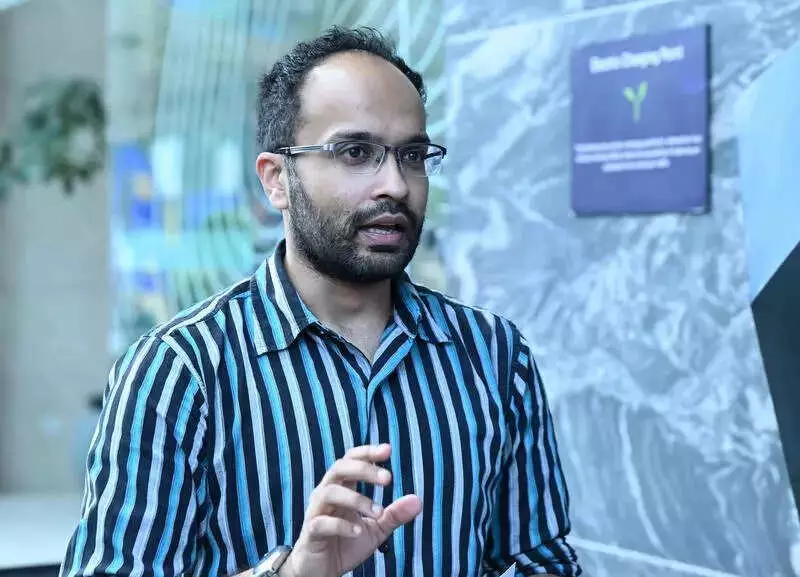
On the second day of the Hyderabad Literary Festival this Sunday, historian Daneesh Majid delivered a compelling address that explored how pivotal political and social moments have profoundly shaped the city's unique identity. Rather than relying on mere dates, Majid traced Hyderabad's remarkable journey from the era of police action to the present day through the lens of lived experiences and personal narratives.
Examining Hyderabad's Evolution Through Historical Transitions
In his session titled 'Hyderabad Stories', Majid meticulously examined the city's evolution by connecting significant historical transitions with everyday life and cultural spaces. He emphasized that understanding Hyderabad requires looking beyond official records to the stories of its people and communities.
Majid began by outlining the impact of the 1946 Telangana communist uprising, describing it as a formative movement that challenged entrenched feudal structures and fundamentally altered the region's political consciousness. This uprising, he argued, set the stage for subsequent developments that would redefine Hyderabad's trajectory.

Administrative Changes and Their Social Impact
The historian then referred to the linguistic reorganization of states in 1956 and the subsequent formation of Andhra Pradesh, noting how these administrative changes significantly affected Hyderabad's social and regional dynamics. He explained how these political decisions created new tensions and opportunities that reshaped community relationships and cultural expressions.
The talk also covered the first phase of the Telangana movement and its powerful revival in the late 2000s, which eventually led to Telangana becoming a separate state in 2014. Majid highlighted how this prolonged struggle for statehood became central to Hyderabad's contemporary identity, influencing everything from politics to art.
The Cultural Significance of Bachelor's Quarters in Nampally
A significant portion of the session focused on the Bachelor's Quarters in Nampally, which Majid identified as crucial cultural spaces during the Nizam era. Originally intended as shared accommodation for single men, these quarters evolved into informal shelters and creative hubs for artists, including singers, ghazal performers, poets, comedians, and stage artists.
Many artists not only lived but also worked in these spaces, facilitating collaboration and sustaining artistic practice during challenging times. Majid noted that performers from the Bachelor's Quarters were frequently invited to perform at Nizam-era courts and private gatherings, where they received payment for their artistic contributions.
Interaction Between Artists and Patrons
Situated near administrative and cultural centres, the quarters enabled frequent interaction between artists and patrons, thereby promoting the dissemination of music, poetry, and performances throughout the city. This proximity created a vibrant ecosystem where artistic traditions could flourish alongside political developments.
By highlighting the role of such everyday spaces, Majid illustrated how cultural communities contributed to preserving Hyderabad's artistic traditions alongside major political transformations. The session powerfully underscored the interconnectedness of social history and cultural practice in shaping Hyderabad's enduring historical legacy.
The Interplay of Politics and Culture in City Identity
Majid's presentation demonstrated that Hyderabad's identity cannot be understood through political events alone, but must be viewed through the complementary lens of cultural evolution. The Bachelor's Quarters served as microcosms of this relationship, where artistic innovation responded to and reflected broader societal changes.
The historian's approach of using lived experiences rather than dates provided festival attendees with a more nuanced understanding of how ordinary people navigated extraordinary historical moments, ultimately contributing to the city's rich tapestry of stories and traditions.