India's Literary Festival Boom Sparks Intense Cultural Debate
The landscape of India's literary festivals is undergoing a dramatic transformation, moving far beyond traditional metropolitan hubs and sparking a heated debate about whether this expansion represents cultural enrichment or a dilution of literary quality. For a vivid illustration of this shift, consider the recent itinerary of publisher Shailesh Bharatwasi, founder-editor of Hind Yugm and a prominent figure in the Nayi Wali Hindi (New Hindi) movement.
From Metros to Small Towns: A Staggering Expansion
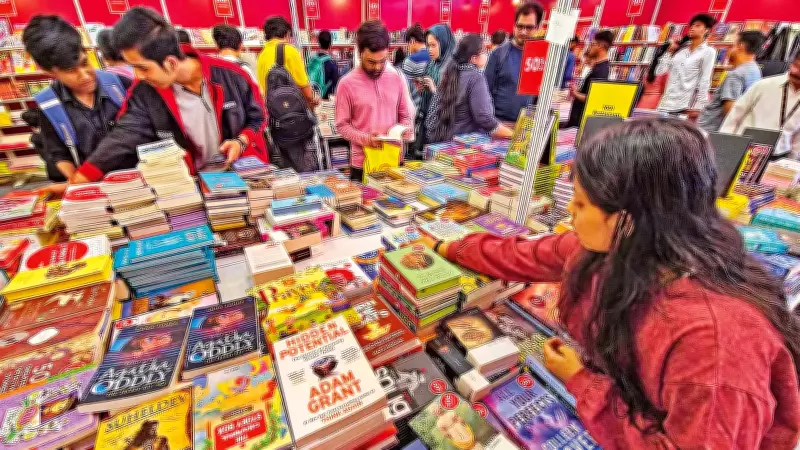
Bharatwasi's calendar now includes literary festivals in towns once considered peripheral to such intellectual gatherings, such as Moradabad, Hapur, Aligarh, Indore, and Khajuraho. Each of these locations now hosts its own multi-day literary event, a development that was unimaginable just a few years ago. This proliferation highlights how the festival scene has traveled deep into India's heartland, reaching audiences previously untouched by such cultural initiatives.
The scale of this boom is described as staggering by industry insiders. Bharatwasi estimates that the number of literary festivals in India has far exceeded the commonly reported figure of 100. When the budgets of all these events are combined, he believes the total amount runs into several hundred crores of rupees. This financial magnitude underscores the significant economic and cultural investment being poured into these gatherings across the country.

The Core of the Debate: Quality Versus Quantity
This rapid expansion has ignited a critical debate within literary and publishing circles. Proponents argue that the spread of festivals to smaller towns democratizes access to literature, fosters local literary communities, and promotes regional languages and voices. However, critics question whether the focus has shifted from substantive literary discourse to mere spectacle and networking, potentially at the expense of deep literary engagement.
Key points in this debate include:
- Accessibility vs. Dilution: While festivals in towns like Hapur and Aligarh make literature more accessible, some worry that the sheer number of events might lead to repetitive content and diluted intellectual rigor.
- Economic Impact: The hundreds of crores in budgets indicate a thriving cultural economy, but concerns arise about whether funds are being used effectively to support authors and literary production.
- Cultural Representation: The Nayi Wali Hindi movement, represented by figures like Bharatwasi, highlights how these festivals can platform emerging literary trends, yet there are calls for greater diversity in themes and participants.
As India's literary festival scene continues to evolve, the conversation is increasingly focused on balancing growth with quality. The movement from metros to towns like Khajuraho and Indore reflects a broader cultural shift, but it also raises essential questions about the future direction of literary discourse in the country. Stakeholders are now grappling with how to sustain this boom while ensuring that festivals remain true to their literary roots, fostering meaningful dialogue and innovation in the arts.