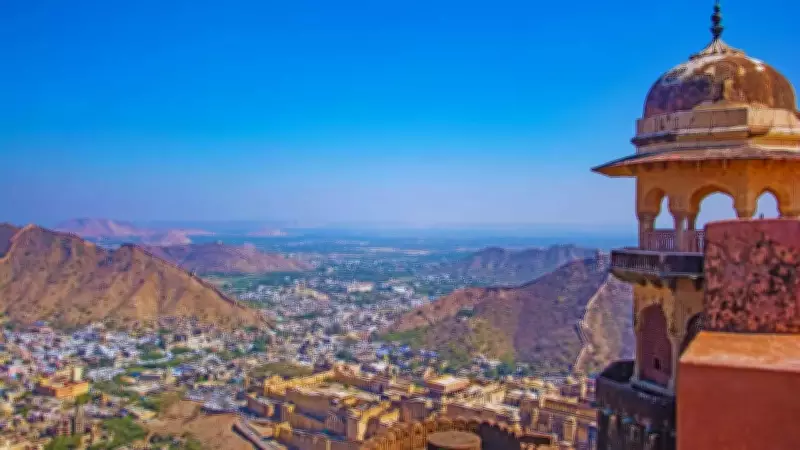
Jaipur's UNESCO Heritage Status Under Threat Due to Conservation Lapses
Jaipur's historic Walled City, inscribed as a UNESCO World Heritage Site in 2019, is confronting escalating pressures that could jeopardize its esteemed global recognition if immediate corrective measures are not implemented. International heritage authorities have raised serious alarms regarding conservation and management deficiencies, which pose a direct risk to the city's World Heritage designation.
The Legacy of the Walled City
Founded in 1727 by Maharaja Sawai Jai Singh II, the Walled City of Jaipur stands as one of India's most remarkable planned urban settlements. Developed according to a grid plan rooted in traditional Vedic town planning principles, its iconic pink facades, harmonious street frontages, and meticulous urban design epitomize a rich cultural, architectural, and social heritage. This unique character earned Jaipur a coveted spot on the UNESCO World Heritage list, catapulting the city into the global spotlight and significantly boosting its tourism potential as a site of universal importance for humanity.
UNESCO's Growing Concerns
The UNESCO World Heritage Committee has repeatedly highlighted critical issues in the preservation and management of the Walled City. Key problem areas include:

- Encroachment and Heritage Violations: Unauthorized constructions and encroachments along the historical city walls have emerged as a major threat. These actions violate heritage bylaws established to protect the site's integrity, undermining conservation efforts.
- Lack of Enforcement of Preservation Rules: Despite directives and court orders from the Rajasthan High Court mandating the sealing of unauthorized constructions and halting work on sites endangering heritage structures, enforcement remains sluggish. UNESCO officials have expressed concern over ongoing development projects proceeding without proper Heritage Impact Assessments, exacerbating risks to the site's authenticity.
Call for Action
In a decisive move, the World Heritage Committee has called upon the Rajasthan government to submit a detailed status report by December 1, 2026, outlining measures taken to address these issues. As reported by The Times of India on November 27, 2025, the committee also emphasized the need for drafting and implementing a Special Area Heritage Development Plan (SAHDP) to tackle planning and regulatory challenges. Failure to comply with these demands could prompt UNESCO to reconsider the heritage status of Jaipur, potentially leading to its delisting.
Why It Matters
The UNESCO heritage status is not merely an honor; it signifies global acknowledgment of the site's universal value, necessitating preservation for future generations. Losing this status would diminish Jaipur's prestige and impact its economy, where tourism serves as a key pillar. Experts caution that other sites, such as the Dresden Elbe Valley in Germany and the Maritime Mercantile City in the UK, have lost their UNESCO heritage status due to poor maintenance and preservation, highlighting the urgency for Jaipur to avoid a similar fate.
What Comes Next
The coming months are critical for local authorities and heritage organizations to enhance conservation practices, enforce legal provisions, and ensure that modern developments align with heritage preservation principles. Proactive steps are essential to determine whether Jaipur can retain its highest accolade in the heritage sphere, safeguarding its legacy for years to come.