Jharkhand Aims for UNESCO Recognition for Its Ancient Stone Monuments
Jharkhand is making a strong bid to secure the prestigious UNESCO World Heritage tag for its extensive collection of megalithic sites scattered across multiple districts. Chief Minister Hemant Soren announced this ambitious plan on Tuesday, just before leading a state delegation to the World Economic Forum in Davos.
Hemant Soren emphasized his personal commitment to this cultural mission. He stated clearly that he will take every necessary step to achieve UNESCO recognition for these ancient stone formations. The Chief Minister described Jharkhand's megaliths as more than mere stones - they represent living memories of human civilization.
International Spotlight on Ancient Heritage
The state delegation's international tour includes significant stops beyond Davos. They will also visit the United Kingdom, where they plan to showcase Jharkhand's remarkable megalithic heritage on a global platform. This international exposure aims to build support for the UNESCO bid while exploring potential partnerships and cultural exchanges.

According to a statement from the Chief Minister's Office, Jharkhand occupies a unique position in human history. The state sits on the Singhbhum Craton, one of Earth's oldest stable landmasses formed over 3.3 billion years ago. Across this ancient geological foundation, human communities have erected megaliths, monoliths, and stone circles for thousands of years.
Living Traditions Unlike Anywhere Else
What makes Jharkhand's megalithic culture truly exceptional is its continuity. While most ancient stone traditions worldwide survive only as archaeological remains, Jharkhand's practices remain vibrantly alive. Indigenous communities continue to maintain and use these sites for rituals and remembrance.
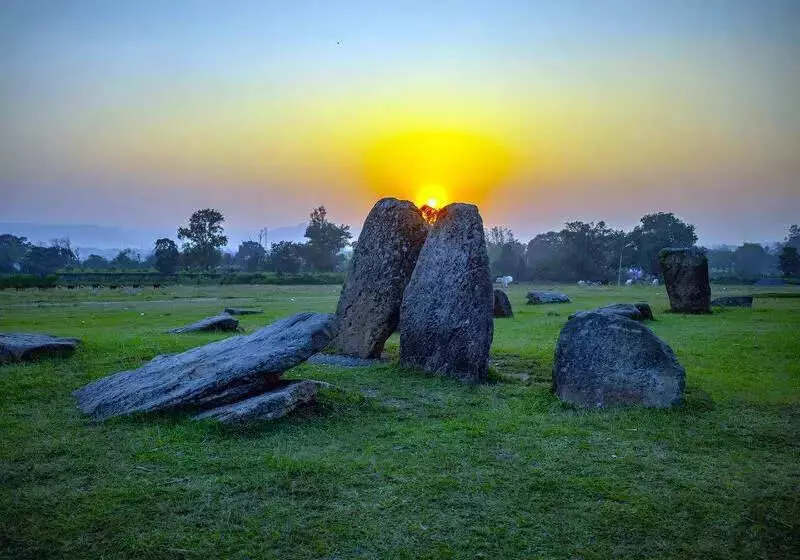
The site at Chokahatu in Ranchi district provides a perfect example of this living heritage. Recognized as the largest active megalithic landscape in the Indian subcontinent, Chokahatu continues to receive new memorial stones placed by the Munda community. This ongoing practice creates a layered historical archive that spans centuries.
Ancient Astronomy and Global Connections
Another remarkable site at Pakari Barwadih in Hazaribag demonstrates sophisticated ancient knowledge. Carefully aligned monoliths at this location track solar movements and mark equinoxes, placing Jharkhand firmly within the global history of prehistoric astronomy.
These stone formations invite natural comparison with world-famous sites like Stonehenge in the United Kingdom. They reflect a shared human impulse across continents and millennia - the desire to anchor concepts of time, mortality, and cosmic order in enduring stone structures.
Women's Leadership on Global Stage
The upcoming international visit carries additional significance through the participation of Kalpana Murmu. As a tribal women leader and MLA from Gandey, Murmu will use global platforms to highlight the aspirations of women from Adivasi, rural, and economically marginalized communities.
During the delegation's tour, Kalpana Murmu will participate in multiple events focused on women's leadership, gender equity, and inclusive development. She will address policy dialogues and international forums, bringing attention to Jharkhand's approach to women's development through various flagship schemes.
The state government plans to showcase initiatives like Lakhpati Didi, Palash, Johar, Jhimdi micro-drip irrigation, Adiva, and Ajivika Cafés during these international engagements. These programs represent Jharkhand's commitment to placing women at the center of economic and social transformation.
From ancient stone monuments that connect to humanity's earliest impulses to modern development programs empowering marginalized communities, Jharkhand is presenting a comprehensive vision of cultural preservation and social progress on the world stage.