The Quiet Legacy of Karnataka's Haigala Meli Towel
Hemalatha Jain narrates the poignant story of Karnataka's Haigala Meli towel, a humble handwoven textile that holds within its threads the weight of memory, labor, and a cultural identity that is slowly fading into obscurity. This versatile cloth, deeply woven into the daily lives of rural communities, serves as a silent testament to traditions passed down through generations.
A Versatile Companion in Everyday Life
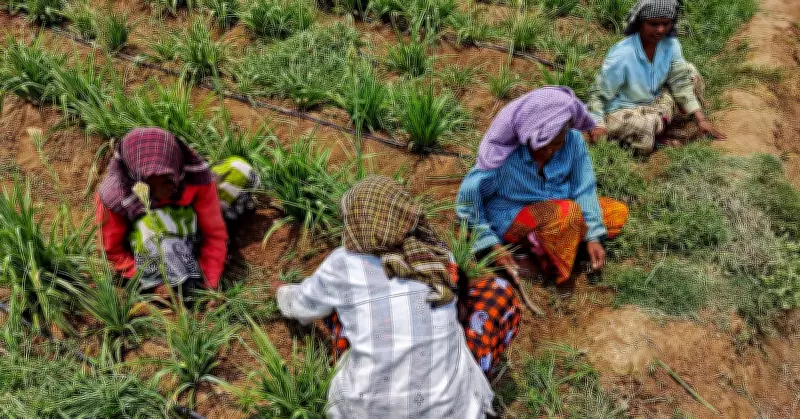
The Haigala Meli towel is not merely a piece of fabric; it is a multifunctional tool essential for survival and comfort in the harsh realities of agricultural life. This everyday cloth is used as a towel for drying, a head wrap to shield against the scorching sun, and a shoulder drape for warmth and protection. In fields across Karnataka, women and farmers are often seen covering their heads with this towel, creating a practical barrier against the elements while continuing their laborious work.
Its simplicity belies its importance, as it seamlessly integrates into various aspects of daily routines, from household chores to strenuous outdoor activities. The towel's durability and adaptability make it an indispensable item in rural households, reflecting a lifestyle where utility and tradition intertwine.

Preserving Memory and Cultural Identity
Beyond its practical uses, the Haigala Meli towel carries a deeper significance as a repository of cultural memory and identity. Each handwoven piece represents hours of skilled labor, often performed by artisans whose techniques have been honed over decades. The patterns and textures tell stories of regional heritage, community values, and a way of life that is increasingly threatened by modernization and industrialization.
The fading presence of this textile symbolizes a broader loss, as younger generations move away from traditional crafts in pursuit of contemporary livelihoods. This shift not only endangers the craft itself but also erodes the cultural narratives embedded in these textiles, leaving gaps in the historical tapestry of Karnataka's rural societies.
The Labor Behind the Loom
The creation of a Haigala Meli towel involves meticulous handweaving processes that demand patience, precision, and a deep understanding of textile arts. Artisans, often women, dedicate significant time and effort to produce each towel, infusing it with care and craftsmanship that machine-made alternatives cannot replicate. This labor is a form of cultural expression, preserving techniques that have been passed down through families and communities.
However, the economic viability of such labor is diminishing, as mass-produced goods flood markets and consumer preferences shift. This decline poses a critical challenge to sustaining these artisanal skills, highlighting the need for awareness and support to keep this legacy alive.
A Call to Recognize and Revive
As Hemalatha Jain's account reveals, the Haigala Meli towel is more than just a functional item; it is a cultural artifact that embodies the resilience and creativity of Karnataka's people. Its quiet legacy serves as a reminder of the rich textile heritage that exists in India's heartlands, often overlooked in the rush toward modernity.
Efforts to document, promote, and revitalize such traditions are crucial to ensuring that they do not vanish entirely. By valuing the memory, labor, and identity woven into each Haigala Meli towel, society can help preserve a piece of cultural history that continues to inspire and connect generations.