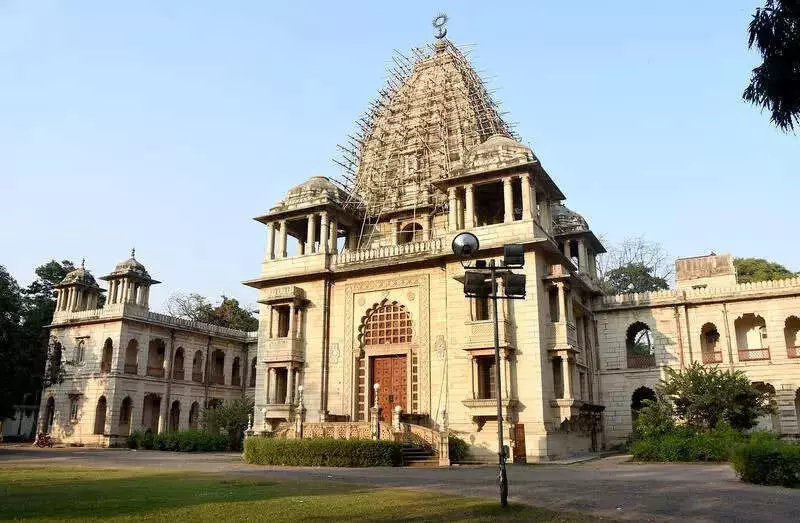
Residents of Vadodara will soon have a magnificent new destination to enjoy serene evenings with picturesque views of the flowing Vishwamitri River, complemented by a warm cup of tea and the majestic glow of Kirti Mandir in the background. This transformation comes as royal scion Samarjitsinh Gaekwad has unveiled ambitious plans to convert the sprawling Kirti Mandir campus into a vibrant cultural and leisure rendezvous spot for the city.
Blending Heritage with Modern Leisure
The visionary makeover aims to seamlessly blend Vadodara's rich heritage with the everyday lives of its citizens, turning this historic precinct into a welcoming space for people to pause, stroll, and immerse themselves in the surroundings. According to Gaekwad, the project will focus on revitalizing the beautiful Vishwamitri ghats located behind Kirti Mandir, which hold significant historical importance.
Restoration of Vishwamitri Ghats
As part of the comprehensive plan, these ghats will undergo thorough cleaning, revival, and restoration to reclaim their original character and charm. Gaekwad emphasized that this initiative will create a serene hangout zone, inviting citizens to reconnect with a space deeply steeped in history and cultural significance.

Comprehensive Heritage Restoration
In addition to the ghats, Gaekwad has announced plans for a comprehensive restoration of the 90-year-old Kirti Mandir itself, which stands as one of Vadodara's most iconic landmarks. He highlighted that there is considerable unused space around Kirti Mandir that can be effectively utilized for public benefit, though the project is still in the planning stages and will require time to materialize fully.
Kirti Mandir Campus Features
The expansive Kirti Mandir campus currently houses several notable structures, including a Shiv Temple, Kubereshwar Dutt Temple, and an art gallery. The open area beside the Shiv Temple has already become a favorite hangout spot for the city's youth, indicating the potential for broader public engagement.
Historical Significance and Architecture
Commissioned by Maharaja Sayajirao Gaekwad in 1936 during the diamond jubilee celebration of his rule, Kirti Mandir was constructed in the distinctive Indo-Saracenic architectural style. The E-shaped structure features a beautifully carved 35-meter-tall 'Shikhar' or central dome, adorned with symbolic representations of the sun, moon, and earth, along with an undivided map of India.
This historic building serves as the resting place for urns containing the ashes of deceased royal family members and remains closed to the public throughout the year, opening only during the annual rangoli exhibition held at Diwali.
Recent Restoration Efforts
The royal family initiated restoration work on Kirti Mandir's upper portion last year after cracks appeared on its roof and central dome due to water seepage, underscoring their ongoing commitment to preserving this architectural gem for future generations.