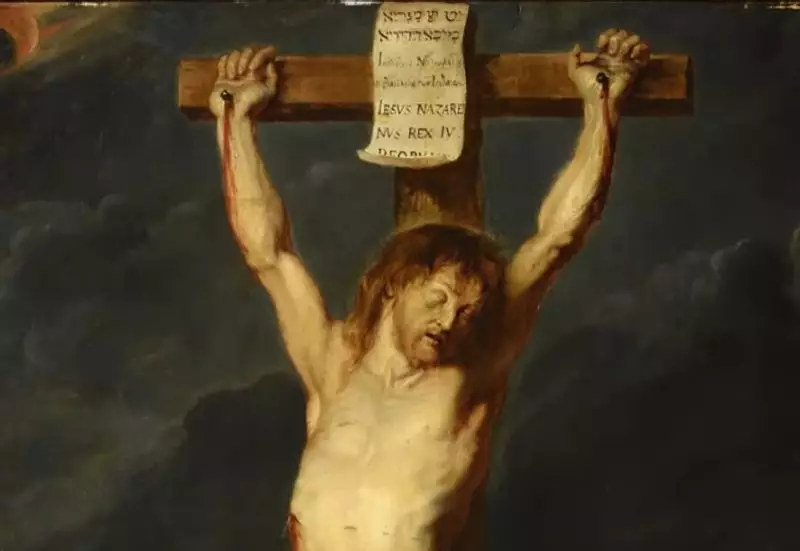
A long-lost painting by the legendary Flemish master Peter Paul Rubens, depicting the crucifixion of Jesus Christ, has been rediscovered and sold at auction for a remarkable sum. The artwork, which had been missing from public view for over a century, fetched an impressive €2.7 million (approximately $2.9 million or ₹24.2 crore) at the Osenat auction house in Versailles, France.
The Rediscovery of a Baroque Masterpiece
The sale, which took place on Sunday, June 23, 2024, captivated the art world. The painting, titled 'The Crucifixion', was created by Rubens and his workshop in the early 17th century, around the year 1615. For decades, its whereabouts were unknown, and it was only recently identified by experts. The auction house had initially estimated its value between €600,000 and €800,000, but fierce bidding drove the final price more than three times higher than the high estimate.
This dramatic result underscores the enduring power and immense value of works by Old Masters, especially those with a significant biblical theme and a direct link to a genius like Rubens. The painting's subject, the crucifixion of Christ, is a central theme in Christian art and was frequently explored by Rubens, known for his dynamic compositions and emotional intensity.

A Painting's Mysterious Journey Through Time
The history of this particular Rubens painting is as fascinating as its artistry. Before its disappearance, it was last recorded in a public sale in Brussels back in 1904. For over 120 years, it vanished from the art historical record, its existence known only through old catalogues and references. Its recent reappearance in a private French collection, where it had been for generations, is a classic tale of a lost treasure waiting to be found.
Art specialists from the Osenat auction house and other experts authenticated the work, confirming it as a product of Rubens's Antwerp workshop. Paintings from this period, where Rubens's hand is evident in the overall design and key figures while assistants executed parts, are highly prized. The composition is powerful, focusing on the moment of Christ's death with the dramatic sky and grieving figures that are hallmarks of the Baroque style.
What the Record Sale Signals for the Art Market
The spectacular sale price sends a strong message about the health of the market for classical art. Despite trends in contemporary art, masterpieces with impeccable provenance and a compelling story continue to command astronomical figures. The fact that the Versailles auction saw such aggressive bidding indicates robust demand from collectors, museums, and investors for works of supreme historical and aesthetic importance.
For the art world, the rediscovery is a significant event. It adds a new, important piece to the understood body of work by Rubens and his circle. Scholars will now be able to study the painting in detail, potentially uncovering more about its creation, its journey, and its influence. For the new owner, whose identity remains confidential, they have acquired not just a beautiful object, but a tangible piece of European cultural history.
The sale also highlights the role of auction houses as venues for dramatic rediscoveries. It serves as a reminder that important works of art can still emerge from private holdings, changing hands and re-entering the public consciousness in the most spectacular fashion. The lost Rubens has found a new home, and its €2.7 million price tag firmly re-establishes its status as a masterpiece.