Lunar Eclipse 2026: A Detailed Guide to Chandra Grahan in India
The year 2026 will witness a significant celestial event with a lunar eclipse, commonly known as Chandra Grahan, scheduled for February 21. This astronomical phenomenon holds immense importance in Indian culture and spirituality, drawing attention from astronomers and devotees alike. The eclipse will be visible across various parts of India, offering a spectacular view of the moon's transformation.
Date and Time of the Lunar Eclipse
The lunar eclipse in 2026 is set to occur on February 21. According to astronomical calculations, the eclipse will begin at 10:23 PM IST and reach its maximum phase at 12:34 AM IST on February 22. The event will conclude at 2:45 AM IST, making it a nighttime spectacle for observers in India. This timing allows for optimal viewing conditions, provided the weather is clear.
Sutak Kaal Duration and Significance
In Hindu traditions, Sutak Kaal is a period considered inauspicious before an eclipse. For the 2026 lunar eclipse, the Sutak Kaal is expected to start 9 hours prior to the eclipse's commencement. This means it will begin around 1:23 PM IST on February 21 and last until the eclipse ends at 2:45 AM IST on February 22. During this time, certain rituals and precautions are advised, such as avoiding new activities, refraining from eating, and performing prayers to mitigate negative effects.

The spiritual significance of Sutak Kaal stems from ancient beliefs that eclipses can disrupt natural energies. Many people observe fasts, chant mantras, and engage in meditation to harness positive vibrations. It's also common to take a bath after the eclipse to purify oneself, as per customary practices.
Visibility and Impact in India
The lunar eclipse will be partially visible in India, with the best views likely in regions where the sky is unobstructed. Major cities like Delhi, Mumbai, Kolkata, and Chennai should be able to witness the event, weather permitting. Unlike solar eclipses, lunar eclipses are safe to view with the naked eye, making this an accessible event for all age groups.
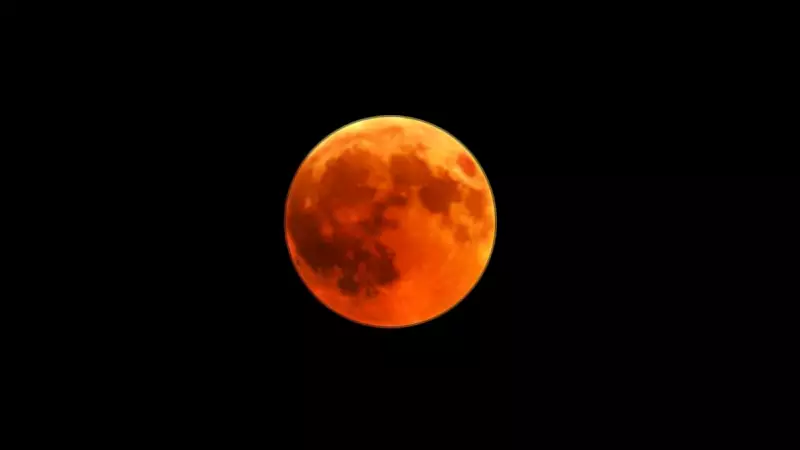
From an astronomical perspective, this eclipse occurs when the Earth passes between the Sun and the Moon, casting a shadow on the lunar surface. The 2026 event is part of a series of eclipses that occur periodically, and it offers a unique opportunity for skywatchers to observe the moon's reddish hue during the maximum phase, often referred to as a "blood moon."
Preparations and Cultural Practices
In preparation for the lunar eclipse, many households in India follow specific guidelines. These include:
- Cleaning homes and temples to remove negative energies.
- Avoiding cooking or consuming food during Sutak Kaal.
- Offering prayers to deities like Lord Shiva or Goddess Kali for protection.
- Donating to charity as an act of goodwill.
These practices are deeply rooted in Indian spirituality and are observed to ensure harmony and well-being during the eclipse. While modern science provides explanations for eclipses, the cultural and religious aspects continue to play a vital role in how many Indians experience these events.
Overall, the lunar eclipse of 2026 on February 21 is not just an astronomical occurrence but a blend of science and tradition. Mark your calendars for this nighttime event, and remember to check local weather forecasts for optimal viewing. Whether you're an avid stargazer or a spiritual seeker, this Chandra Grahan offers a moment to reflect on the wonders of the universe and the rich heritage of Indian customs.