The ancient city of Prayagraj, formerly known as Allahabad, is set to host one of Hinduism's most revered and grand spiritual gatherings, the Magh Mela, in the year 2026. This sacred festival, a smaller version of the monumental Kumbh Mela, holds immense religious significance and draws millions of devotees to the holy confluence of the Ganga, Yamuna, and the mythical Saraswati rivers.
Magh Mela 2026: Key Dates and Schedule
The Magh Mela is a month-long observance that takes place during the Hindu month of Magh, which typically corresponds to January and February in the Gregorian calendar. For the year 2026, the auspicious festival is scheduled to commence on January 14, 2026. The entire event will span approximately 45 days, concluding around the end of February. The most significant bathing days, known as 'Shahi Snans,' are determined by specific planetary positions and lunar cycles, drawing the largest crowds of pilgrims seeking spiritual purification.
The Historical and Religious Roots of the Festival
The history of the Magh Mela is deeply intertwined with Hindu mythology and scriptures. It is believed that the tradition dates back thousands of years to the time when the gods and demons churned the ocean of milk for the nectar of immortality, or 'Amrit.' According to legend, drops of this nectar fell at four locations, including Prayagraj, making it eternally sacred.

The festival's significance is further highlighted in ancient texts like the Puranas, which extol the virtues of bathing in the Triveni Sangam during Magh. Devotees, known as 'Kalpavasis,' reside on the riverbanks for the entire month, leading an austere life of prayer, meditation, and ritual baths. They follow a strict daily regimen, believing that a lifetime of sins can be washed away through these sacred acts performed at the Sangam.
Spiritual Significance and Rituals
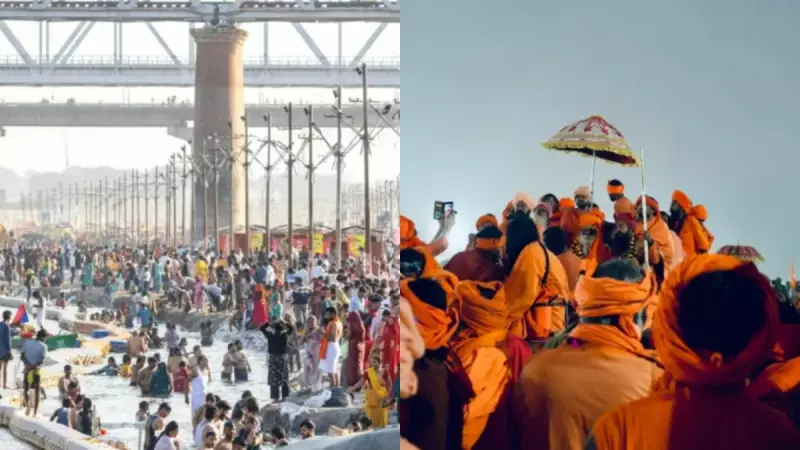
The core significance of the Magh Mela lies in the act of taking a holy dip at the Sangam. Pilgrims believe that bathing in these waters during the auspicious month of Magh, especially on specific days like Makar Sankranti, Paush Purnima, and Mauni Amavasya, leads to moksha (liberation from the cycle of rebirth) and purification of the soul.
The mela is not just about the ritual bath; it is a vibrant tapestry of spiritual discourses, devotional singing, and religious assemblies hosted by various akharas (sects of sadhus) and spiritual leaders. The sight of Naga Sadhus, adorned with ash and matted hair, taking the ceremonial bath is a defining image of the festival. The air resonates with chants, hymns, and a profound sense of devotion, creating a unique spiritual ecosystem.
For the city of Prayagraj, hosting the Magh Mela is a massive logistical undertaking that transforms its landscape. The administration sets up a temporary tent city spanning hundreds of hectares, complete with roads, bridges, electricity, water supply, sanitation, and healthcare facilities to cater to the influx of millions. The event is also a significant driver for the local economy, providing livelihoods to countless vendors, priests, and service providers.
In essence, the Magh Mela 2026 will be more than a religious event; it will be a living testament to India's enduring spiritual traditions. It offers a unique opportunity for devotees to partake in ancient rituals, seek blessings, and experience a sense of community and transcendence at one of the world's most sacred sites.