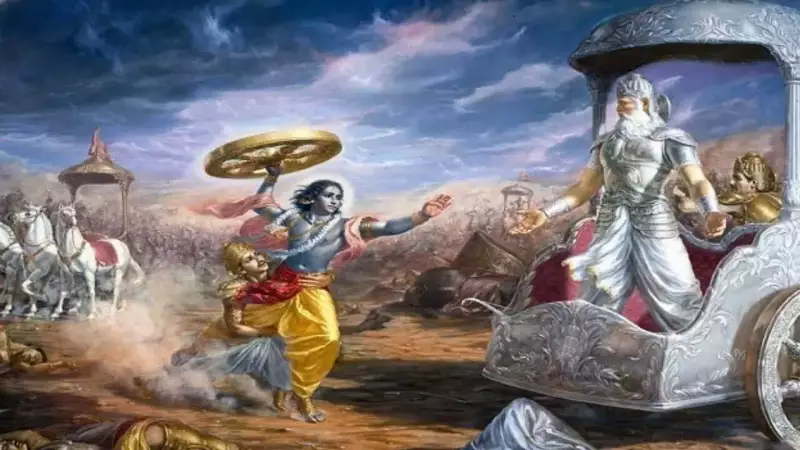
The Mahabharata stands as one of the most monumental epic narratives in world mythology, centered around a cataclysmic conflict known as the Kurukshetra War. This legendary war, fought over a period of 18 continuous days, remains one of the most extensively recorded military events in ancient literature. Despite its relatively short duration, the scale of the devastation and the profound philosophical questions it raised were enormous.
The Core Conflict: A Battle for the Throne and Dharma
At its heart, the Kurukshetra War was a dynastic struggle for the throne of Hastinapura. It pitted two factions of cousins against each other: the Pandavas and the Kauravas. However, the epic frames this not merely as a political dispute but as a cosmic battle between Dharma (righteousness) and Adharma (unrighteousness). The Pandavas, though wronged and exiled, represented the path of Dharma, while the Kauravas, led by the ambitious Duryodhana, were driven by greed, ego, and Adharma.
Key Figures and Divine Strategy
The war featured a constellation of legendary warriors whose names echo through history. On the battlefield stood giants like Bhishma, the grandsire bound by oath; Dronacharya, the master teacher; Karna, the tragic hero; and from the Pandava side, Arjuna the peerless archer and Bhim of immense strength. A pivotal figure was Lord Krishna. While he offered his entire Narayani army to the Kauravas, he chose to serve as the charioteer and guide for the Pandava prince Arjuna, vowing not to wield a weapon himself. His strategic wisdom and counsel became the Pandavas' greatest asset.

The 18-day war witnessed fierce combat and dramatic shifts in fortune each day. Elaborate and deadly military formations, most famously the Chakravyuha, were deployed, leading to the heroic and tragic end of young warriors like Abhimanyu. It was on the first day of this war that Lord Krishna delivered the spiritual discourse of the Bhagavad Gita to a conflicted Arjuna, laying down a timeless philosophy of duty, righteousness, and life.
A Pyrrhic Victory and Timeless Lessons
Ultimately, the Pandavas emerged victorious. Yet, their triumph was hollow and the aftermath devastating. The cost of victory was unimaginably high—almost all prominent warriors from both sides were slain. The winning side was left to rule a kingdom filled with the ghosts of kinsmen and the cries of widowed women. The epic concludes not with celebration, but with profound grief and regret, serving as a powerful reminder of the ruinous consequences of unchecked greed, ego, and familial discord.
The legacy of the Kurukshetra War, therefore, transcends its historical or mythical bloodshed. It is remembered not just for the battle, but for the eternal wisdom of the Bhagavad Gita it spawned. The 18-day conflict continues to be a foundational story in Indian culture, teaching generations about the complexities of duty, the cost of war, and the perennial struggle to uphold Dharma in the face of adversity.