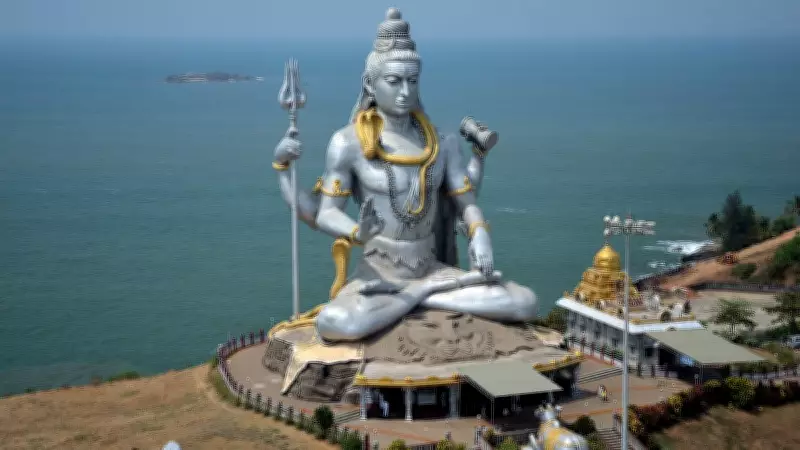
Mahashivratri 2026: Date and Timings Officially Announced
As devotees across India and the world eagerly anticipate the sacred night of Mahashivratri, the Panchang has officially released the precise date and timings for the festival in 2026. This annual Hindu celebration, dedicated to Lord Shiva, holds immense spiritual significance, with millions observing fasts, performing pujas, and engaging in night-long vigils.
Exact Date: February 15 or February 16?
According to the Panchang, Mahashivratri in 2026 will be observed on February 15, 2026. However, due to the lunar calendar and specific astrological calculations, the Nishita Kaal (the most auspicious time for worship) may extend into the early hours of February 16 in some regions. Devotees are advised to consult local Panchang or temple authorities for precise timing based on their location.
Mahashivratri 2026 Timings: Ratri Prahar and Nishita Kaal
The festival is celebrated over four Prahars (quarters) of the night, each lasting approximately three hours. The Nishita Kaal, considered the peak time for Shiva worship, typically falls around midnight. In 2026, the Nishita Kaal is expected to occur between specific hours, though exact timings vary by geographical area. Observing rituals during this period is believed to bring maximum spiritual benefits and divine blessings.

4 Famous Mahashivratri Venues for Devotees
Several temples across India become focal points for grand celebrations during Mahashivratri. Here are four renowned venues:
- Mahakaleshwar Temple, Ujjain: Known for its Bhasma Aarti and massive gatherings, this Jyotirlinga site attracts lakhs of devotees.
- Kashi Vishwanath Temple, Varanasi: As one of the holiest Shiva temples, it hosts special pujas and processions throughout the night.
- Somnath Temple, Gujarat: This ancient temple sees elaborate decorations and cultural performances during the festival.
- Mallikarjuna Swamy Temple, Srisailam: Located in Andhra Pradesh, it is famous for its traditional rituals and spiritual ambiance.
Significance of Mahashivratri
Mahashivratri, meaning "the Great Night of Shiva," commemorates the day Lord Shiva performed the cosmic dance of creation, preservation, and destruction. It is also associated with legends such as the marriage of Shiva and Parvati. Devotees observe fasts, chant mantras, and offer prayers to seek forgiveness, prosperity, and enlightenment. The festival symbolizes the overcoming of darkness and ignorance in life.
Special Rituals During Shivaratri
Key rituals performed on Mahashivratri include:
- Fasting (Vrat): Many devotees observe a strict fast, consuming only fruits, milk, or specific satvik foods, while some abstain from food and water entirely.
- Abhishekam: Pouring water, milk, honey, and other sacred substances over Shiva Lingam to purify the soul and invoke blessings.
- Om Namah Shivaya Chanting: Reciting this mantra throughout the night to connect with divine energy and attain peace.
- Night Vigil (Jagran): Staying awake all night, engaging in prayers, bhajans, and meditation to honor Shiva's vigilance.
- Offering Bilva Leaves: Presenting Bilva (wood apple) leaves to the Shiva Lingam, considered highly auspicious in Shiva worship.
These practices are believed to cleanse past karma, promote spiritual growth, and bring harmony to life. As Mahashivratri 2026 approaches, devotees are preparing to immerse themselves in these timeless traditions, fostering devotion and community spirit.