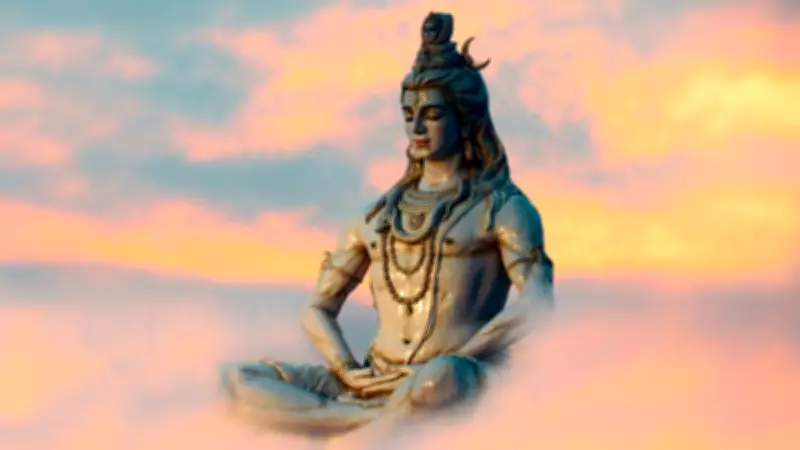
Mahashivratri 2026: Unraveling the Truth About Fasting During Menstruation
As Mahashivratri 2026 approaches, a recurring question among devotees, particularly women, is whether fasting is permissible during menstruation. This spiritual festival, dedicated to Lord Shiva, involves rigorous fasting and prayers, but misconceptions about menstrual restrictions often create confusion. This article delves into the facts, separating myth from reality to provide clarity for all participants.
Understanding Mahashivratri and Its Significance
Mahashivratri, meaning "the great night of Shiva," is a major Hindu festival celebrated annually in honor of Lord Shiva. In 2026, it falls on a date determined by the lunar calendar, typically in February or March. Devotees observe fasts, perform rituals, and stay awake through the night chanting mantras and offering prayers. The fast is believed to purify the mind and body, fostering spiritual growth and seeking blessings for prosperity and well-being.
The Menstrual Fasting Debate: What Do Traditions Say?
Historically, some Hindu traditions have advised women to avoid religious activities, including fasting, during menstruation due to notions of ritual impurity. However, this perspective is not universally accepted and varies across regions and communities. Many modern interpretations and spiritual leaders emphasize that menstruation is a natural biological process and should not hinder one's devotion. The key is to focus on intent and personal health rather than rigid rules.

- Spiritual Intent: Fasting on Mahashivratri is primarily about devotion and self-discipline. If a woman feels capable and spiritually inclined, she can fast, regardless of her menstrual cycle.
- Health First: It's crucial to prioritize health. Fasting can be physically demanding, and women experiencing discomfort or health issues during periods should opt for a modified fast or consult a doctor.
- Cultural Variations: Practices differ widely; some families encourage participation, while others may follow traditional restrictions. Open discussions can help align personal beliefs with family customs.
Health Implications and Safe Practices
Fasting during menstruation requires careful consideration of health impacts. Menstruation often involves fatigue, cramps, and hormonal changes, which can be exacerbated by fasting. To observe Mahashivratri 2026 safely, women can consider alternatives like a partial fast (consuming fruits or light meals), staying hydrated, and ensuring adequate rest. Listening to one's body is essential to avoid adverse effects like dizziness or weakness.
Expert Advice:- Consult a healthcare professional if you have underlying conditions like anemia or irregular cycles.
- Opt for nutrient-rich foods if breaking the fast, to replenish energy levels.
- Engage in gentle prayers or meditation if physical fasting is not feasible, as spirituality transcends rituals.
Embracing Inclusivity in Spiritual Observances
In recent years, there has been a growing movement towards inclusivity in religious practices. Many spiritual organizations and leaders advocate for allowing women to participate fully in festivals like Mahashivratri, emphasizing that devotion knows no biological boundaries. This shift encourages a more compassionate and holistic approach, where personal choice and well-being take precedence over outdated norms.
As Mahashivratri 2026 nears, devotees are encouraged to educate themselves and make informed decisions. Whether choosing to fast or not, the essence of the festival lies in connecting with the divine through sincere prayers and positive actions. By debunking myths and promoting understanding, we can celebrate this auspicious occasion with greater harmony and respect for all.