Makar Sankranti: A Festival of Sun, Harvest, and Joy
Makar Sankranti arrives every year in mid-January. This vibrant festival celebrates the Sun's movement into the zodiac sign of Capricorn, known as 'Makara'. It marks a significant astronomical event. The Sun God receives special devotion during this time.
Significance and Spiritual Meaning
The festival signals the end of the winter solstice. Days begin to grow longer after Makar Sankranti. It represents the victory of light over darkness. Many believers see it as truth prevailing over falsehood.
Farmers across India celebrate their harvest during Makar Sankranti. They express gratitude for bountiful crops after months of hard work. The festival holds deep agricultural importance. It brings prosperity and abundance to rural communities.

Traditional Celebrations and Customs
People perform various rituals during Makar Sankranti. Many take holy dips in rivers, especially the Ganga. They offer prayers to the Sun God for health and wealth. Families come together to share festive meals.
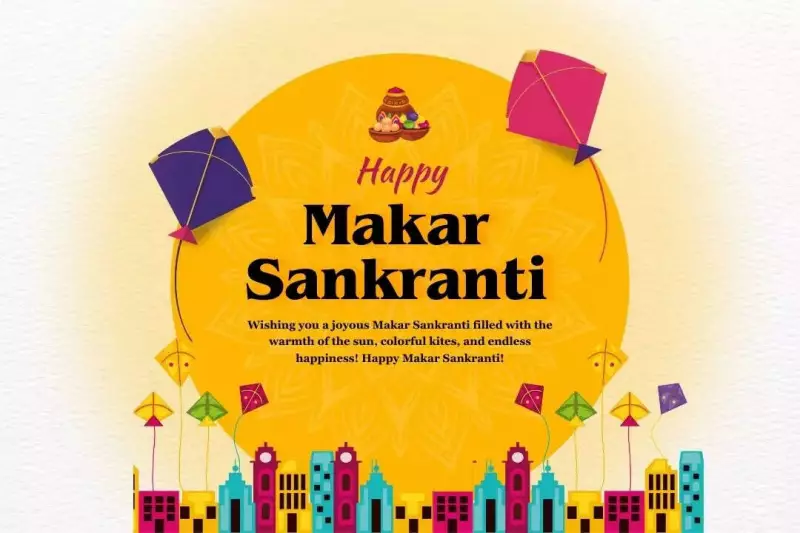
Colorful kites fill the skies in many regions. Gujarat and Rajasthan host spectacular kite flying competitions. The tradition symbolizes reaching for the heavens. It brings communities together in friendly rivalry.
Regional Variations Across India
Different states celebrate Makar Sankranti with unique customs:
- Maharashtra: People exchange tilgul sweets made from sesame and jaggery. They say "Tilgul ghya, god god bola," meaning "Accept this sweet and speak sweet words."
- Punjab: The festival coincides with Lohri celebrations. Families gather around bonfires, singing and dancing through the night.
- Tamil Nadu: People celebrate Pongal by cooking a special rice dish in new pots. Traditional folk dances and community gatherings mark the occasion.
- Other regions: Various states have their own distinctive traditions, all celebrating the same harvest spirit.
Festive Foods and Sweets
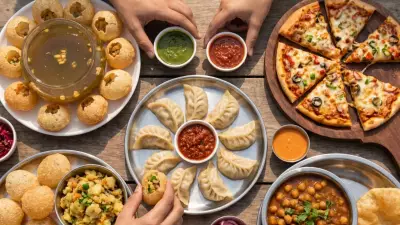
Sesame seeds and jaggery feature prominently in Makar Sankranti cuisine. Families prepare traditional sweets like tilgul ladoos. These treats symbolize warmth and sweetness in relationships. Sharing food strengthens community bonds.
Cultural and Social Importance
Makar Sankranti transcends religious boundaries. It brings people together across different communities. The festival promotes harmony and mutual respect. It reminds everyone to appreciate nature's bounty.
New beginnings receive special emphasis during Makar Sankranti. People discard old habits and embrace positive changes. The longer days inspire hope and renewal. It's a time for personal and collective growth.
Modern Celebrations
Urban areas have adapted traditional practices. City dwellers organize kite flying events on terraces. Social media fills with festive greetings and photos. Families maintain traditions while creating new memories.
The festival's essence remains unchanged despite modern adaptations. It continues to celebrate harvest, sunlight, and togetherness. Makar Sankranti connects generations through shared customs.
Environmental Awareness
Recent years have seen increased environmental consciousness during celebrations. Many communities promote eco-friendly kite materials. They emphasize clean river practices during ritual baths. Sustainable celebrations ensure the festival's future.
Makar Sankranti stands as one of India's most beloved festivals. It combines astronomical significance with agricultural celebration. The festival brings light, warmth, and joy to millions. It truly represents India's rich cultural diversity and unity.