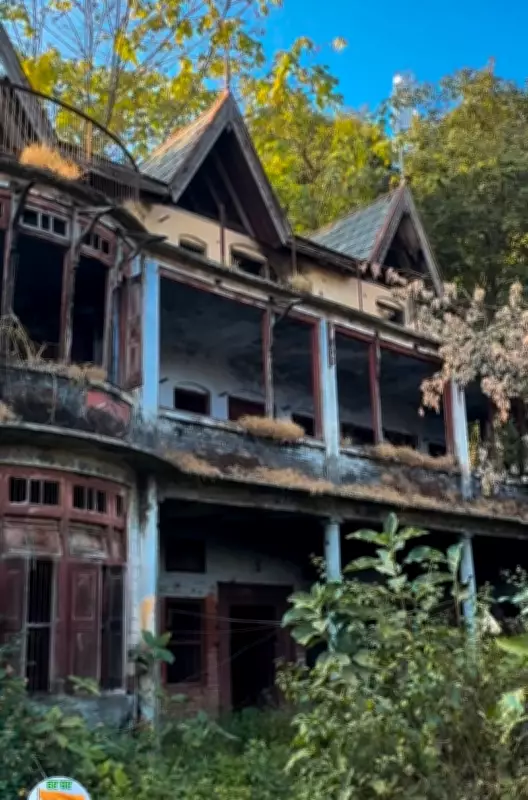
Conservationists Advocate for Heritage Mapping of Slate-Roofed Houses in Himachal Pradesh
In a significant push for cultural preservation, conservationists in Himachal Pradesh are urging authorities to initiate a comprehensive mapping of traditional slate-roofed houses, designating them as official heritage assets. This call to action highlights the urgent need to protect these unique architectural structures, which are integral to the region's historical identity and environmental adaptation.
The Cultural and Architectural Significance of Slate Roofs
Slate-roofed houses, a hallmark of Himachal's vernacular architecture, are not merely shelters but living testaments to centuries-old building techniques. These structures are typically constructed using locally sourced slate stones, which provide excellent insulation against the harsh Himalayan winters and monsoon rains. The roofs are often layered in a distinctive pattern that allows for efficient water drainage and durability, reflecting the ingenuity of local craftsmanship passed down through generations.
Conservationists emphasize that these houses embody the socio-cultural fabric of Himachal communities. They serve as repositories of traditional knowledge, from construction methods to sustainable material use, making them invaluable for understanding the region's heritage. However, with modernization and the rise of concrete buildings, many such houses are at risk of demolition or neglect, threatening to erase this architectural legacy.

Proposed Mapping Initiative and Its Benefits
The proposed mapping project aims to systematically document all existing slate-roofed houses across Himachal Pradesh. This would involve:
- Identifying and cataloging each structure's location, age, and architectural features.
- Assessing their current condition and any restoration needs.
- Integrating this data into a digital database for easy access and monitoring.
By officially recognizing these houses as heritage assets, the initiative seeks to provide legal protection under heritage conservation laws. This could prevent unauthorized alterations or demolitions, ensuring that future development projects consider their preservation. Additionally, mapping would facilitate targeted conservation efforts, such as government-funded restoration programs or incentives for homeowners to maintain these properties.
Experts argue that preserving slate-roofed houses also has economic and environmental benefits. They can boost heritage tourism, attracting visitors interested in traditional architecture and rural lifestyles. Moreover, their sustainable design principles—like using natural materials and promoting energy efficiency—offer lessons for contemporary eco-friendly construction.
Challenges and the Path Forward
Despite the enthusiasm among conservationists, several challenges loom. Many slate-roofed houses are in remote areas, making documentation logistically difficult. There is also a lack of awareness among residents about their heritage value, leading some to prefer modern housing for perceived convenience. Funding constraints and bureaucratic hurdles could further delay implementation.
To address these issues, stakeholders recommend a collaborative approach involving:
- Government agencies, such as the Himachal Pradesh Tourism Department and Archaeological Survey of India, to lead the mapping drive.
- Local communities and NGOs to raise awareness and participate in documentation.
- Academic institutions to conduct research on architectural techniques and historical context.
Conservationists stress that time is of the essence, as the gradual disappearance of these houses could result in an irreversible loss of cultural heritage. They call for immediate action to integrate mapping into state-level heritage policies, ensuring that Himachal's slate-roofed houses are celebrated and safeguarded for future generations.