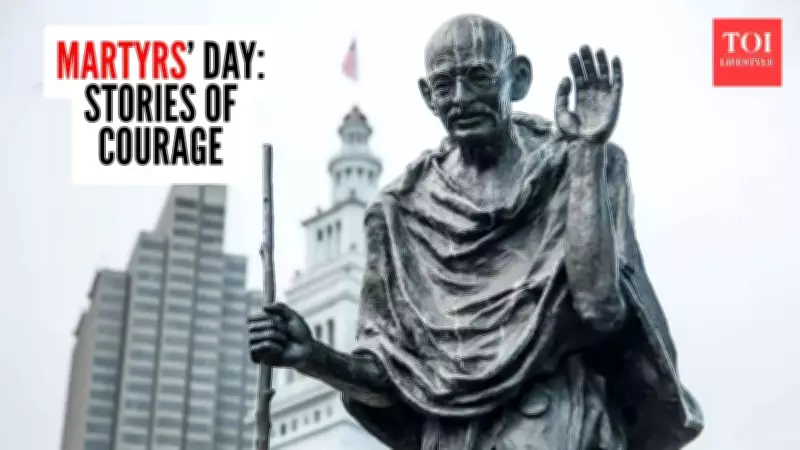
Martyrs’ Day: A Profound Day of Respect and Learning for India
Martyrs’ Day, also known as Shaheed Diwas, stands as a significant day of deep respect and valuable learning for the entire nation. It serves as a powerful reminder that the freedom we enjoy today was earned through genuine sacrifice and immense strength. Behind every national flag hoisted and every school assembly conducted lies a rich tapestry of stories filled with courage, difficult choices, and profound love for the motherland.
This important day helps young, impressionable minds connect historical events with enduring values they can carry forward into their own lives. It bridges the gap between past struggles and present responsibilities.
What is Martyrs’ Day and When is it Observed in India?
In India, Martyrs’ Day is observed on multiple dates throughout the year, each marking a solemn moment in the nation's history. The two most prominent and widely recognized dates are January 30 and March 23.

- January 30 commemorates the assassination of Mahatma Gandhi in 1948, the Father of the Nation, whose principles of non-violence and truth continue to inspire generations.
- March 23 honors the execution of the revolutionary trio Bhagat Singh, Rajguru, and Sukhdev in 1931, young heroes who fearlessly challenged colonial rule.
While each date narrates a distinct chapter from India's freedom struggle, together they powerfully speak of unwavering bravery and steadfast belief in the cause of independence.
Why These Historical Dates Hold Immense Significance
The significance of these dates is deeply rooted in India's journey to sovereignty. January 30 marks the tragic loss of a global leader who firmly believed that violence ultimately weakens any cause. Gandhi's assassination sent shockwaves across the nation and the world, cementing his legacy as an apostle of peace.
Conversely, March 23 remembers three youthful revolutionaries who held the conviction that fearless, decisive action was necessary to awaken a nation from colonial slumber. Collectively, these observances illustrate that India's path to freedom was not monolithic; it encompassed diverse philosophies and strategies, yet all converged on the shared, sacred goal of liberation.
The Enduring Importance of Martyrs’ Day for Children
Martyrs’ Day plays a crucial role in educating children that freedom is neither automatic nor free. It is a hard-earned right that must be continually understood, valued, and protected. The day serves as an excellent platform to help young learners grasp core values such as:
- Courage in the face of adversity
- Honesty and integrity in one's actions
- The importance of standing up for what is right, even when it is difficult
Furthermore, it powerfully demonstrates that age is no barrier to making a significant impact, as many of the martyrs, like Bhagat Singh, were remarkably young when they laid down their lives for the nation.
Rare and Lesser-Known Facts for Young Learners
Delving deeper reveals fascinating details about these national icons. Bhagat Singh was merely 23 years old at the time of his execution, yet he was an avid reader and writer, showcasing intellectual depth alongside revolutionary fervor. It is widely believed that Mahatma Gandhi's last words were a prayer, "Hey Ram," reflecting his profound calm and spirituality even in moments of extreme peril.
An often-overlooked fact is that many martyrs were ordinary citizens—teachers imparting knowledge, students with dreams, and farmers tilling the land—before history immortalized them for their extraordinary contributions to the freedom movement.
How Martyrs’ Day is Observed Across the Nation
The observance of Martyrs’ Day is a solemn and unified act of remembrance. On January 30, a two-minute silence is observed nationwide at 11 a.m., a moment of collective reflection. Schools across India hold special assemblies, often focusing on narrating engaging stories rather than just delivering speeches, making the historical figures relatable to children.

Additionally, several states honor local and regional heroes on other specific dates, ensuring that the diverse and layered history of India's freedom struggle from all corners of the country is kept alive and remembered.
Meaningful Ways Children Can Participate and Learn
Children can actively engage with the spirit of Martyrs’ Day in several impactful ways:
- Listen and Share Stories: Actively listening to the true stories of martyrs and sharing them with family and friends fosters a deeper connection with history and encourages further learning.
- Creative Expression: Drawing posters, creating artwork, or writing short notes and essays about the martyrs helps internalize their ideals and ensures these ideas remain vivid in young minds.
- Embodying Values: Practicing small, everyday acts of kindness, honesty, and fairness in their own lives is a direct way to reflect and honor the core values for which the martyrs stood and sacrificed.
Martyrs’ Day is more than a date on the calendar; it is a living lesson in patriotism, sacrifice, and the enduring cost of liberty, offering timeless guidance for the citizens of tomorrow.